
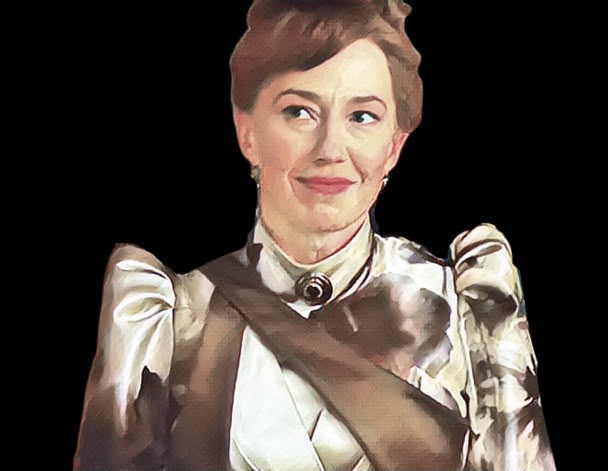
Tomorrow brings the final trailer for season four of The Gilded Age, and the countdown to its November 1 premiere has already reached that stage where every image deserves attention. We still have two Sundays to get through, but the tension HBO wants at the heart of the conversation during this final stretch of the campaign is already clear: Bertha Russell has secured the place she wanted in society, and now she must deal with what that victory has done to her family.
I don’t expect the trailer to provide the answers. HBO knows very well how to suggest a crisis without revealing how it will be resolved, and we will, naturally, examine every second, every glance and every character in the background of a party. But the promotional focus is consistent. Bertha and George’s marriage remains the main concern, because the relationship that sustained so much of our enjoyment of the series no longer offers the same reassurance. And one question could make everything more complicated: how much time will have passed since we left them?
Two years is no small thing
Season three took place in 1884, and Donna Murphy, our Mrs. Astor, has already identified 1886 as the year of season four. That points to an advance of approximately two years in the timeline, although it is important to distinguish the period covered by a season from a full time jump in its very first episode. We might reach 1886 as the story unfolds. We might begin there. Those choices have very different consequences.
The Statue of Liberty helps put this discussion in context. Its dedication took place on October 28, 1886, so if the series incorporates the ceremony, it will have to reach that date. Historically, it makes sense. Dramatically, however, moving the calendar forward requires more than changing the year: all the conflicts we have just followed will also have aged, and two years is a long time to keep certain issues exactly where they were.
This is where the passage of time brings both good and bad news. On the one hand, it allows us to find characters in new circumstances and follow the consequences of their choices. On the other, it can deprive us of precisely what we hoped to see. After all, there is a difference between learning that a wedding has happened and watching the negotiations, the obstacles and the decision to go through with it. In The Gilded Age, those stages are rarely incidental.
Bertha and George: how long does a rupture last?
The campaign revisits the Russells’ closeness and sets it alongside what has been lost. It wasn’t just attraction, although that certainly helped. George and Bertha operated as partners, two ambitious people who could take on the world because they could count on each other. The issue was never discovering that she wanted to climb the social ladder. He knew that. The problem was what Bertha came to consider acceptable in getting where she wanted to go, including within her own family.
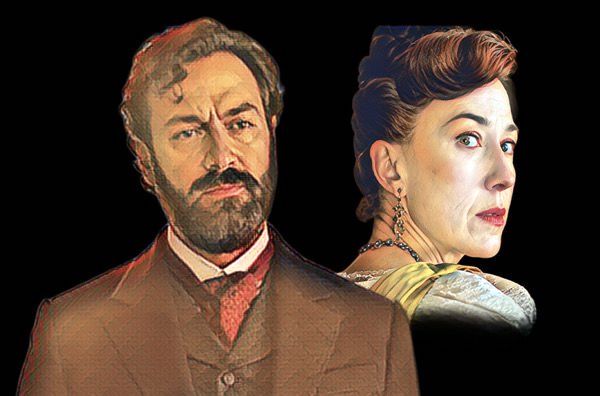
Gladys’s marriage turned that tension into something George could no longer simply absorb. And that is why a two-year jump changes the nature of the conflict. A recent separation can still be experienced as shock, anger, a reaction whose full implications neither person has entirely understood. Two years later, the distance between them will already have created habits, arrangements and a way of coexisting. Even if they remain married, we need to know what that marriage has come to mean.
Will we find a marriage maintained for appearances? Two people trying to reconnect? A couple who have kept up a public façade while reorganizing their lives separately? These are possibilities, not answers the promotional images allow us to predict. But the length of the crisis matters, because we cannot return to them as though George has just walked out of the house if a considerable part of their lives has unfolded since then.
There is also Gladys’s pregnancy, announced at the end of season three. If we really move forward two years at once, the baby should already have been born. How did Bertha and George navigate the arrival of a grandson or granddaughter while their own marriage was falling apart? Has Bertha found a new place in her daughter’s life? Has George grown closer to her? The passage of time multiplies the questions, because events of that magnitude do not remain suspended until we return.
Peggy, William and the weddings we want to see
My hopes for Peggy and William are happier, but the question of chronology remains. After the proposal, and with a possible two-year advance, it would be natural to expect them to be married already. At the same time, the season synopsis still refers to Peggy’s efforts to be accepted by her future in-laws, leaving open the question of exactly when we will find them.
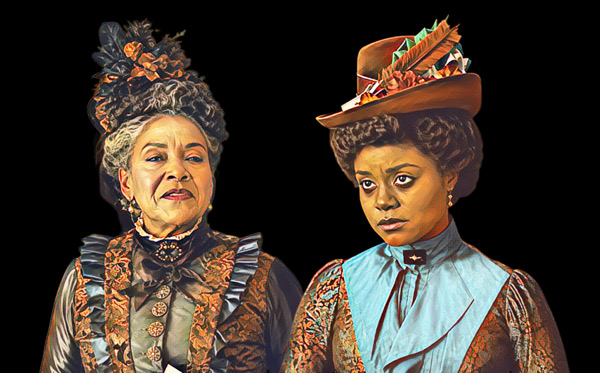
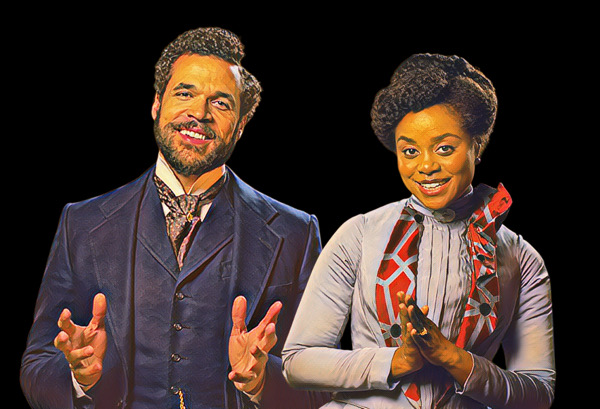
The images suggesting a wedding make us eager to witness that celebration, but they also need context. If Peggy is still engaged after so much time, what has prevented the marriage? If we see the wedding before a time jump, the season will take a different shape. Her relationship with William’s family has enough conflict to sustain a story, and I hope Peggy can move forward without endlessly trying to prove that she deserves a place in it.
Oscar and Enid, forever Turner to those who have watched the series from the beginning, inspire a different kind of curiosity. I am among those who loved the prospect of this alliance. There is a deliciously convenient combination of her money, his connections and the understanding that they both have interests a conventional marriage would not accommodate. The celebratory images suggest that the proposal may take shape, and the more daring party, with its cabaret atmosphere, fits perfectly with their willingness to provoke that society.
Curiously, the most openly strategic union can look so promising. Oscar and Enid know what they are negotiating. Bertha and George, who shared a much more genuine intimacy, need to discover whether they still have anything in common beyond their surname and everything they have built.
What about Marian and Larry?
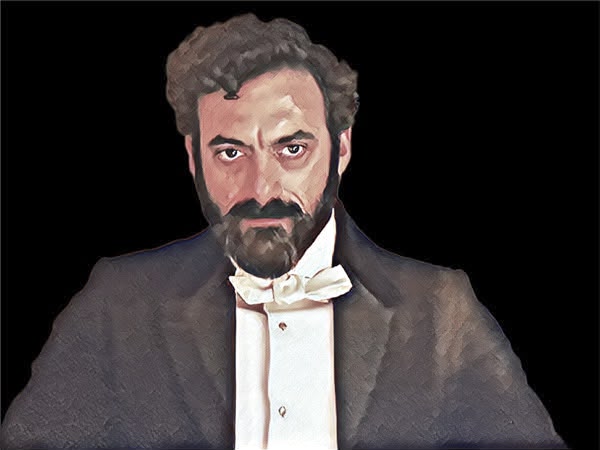
My greatest concern, I admit, remains Marian and Larry. They ended the season reconciled, dancing together, but without a clear renewal of their engagement. That left room for them to resume their relationship with greater maturity. If, however, two years have passed and we are still in the same territory of smiles, tentative advances and uncertainty, it will be difficult not to ask what happened throughout that interval.
In the party images, the two continue to offer what has always won us over: their ease together, the glances, the dancing, the sense of an affinity that needs no elaborate explanation. But those images do not confirm a marriage, an engagement or the current state of their relationship. And precisely because I like them, I would like to see them move beyond this perpetual promise.

Julian Fellowes knows very well what postponing a union can do. Anyone who watched Downton Abbey will recognize his ability to turn “will they or won’t they” into fuel for several seasons. It works, up to a point. The problem comes when the obstacles begin to take up more space than whatever made us root for the couple. Marian and Larry were exciting because there was something beautiful and relatively simple between them, in a world that complicates everything. They do not need to lose that quality to have a story.
A couple can also generate drama after choosing each other. There are enough families, careers, money issues, plans for the future and disagreements in that world to test a relationship without indefinitely postponing its existence. If Marian and Larry have been unable to rebuild their commitment over two years, the series will need to show us why. Another misunderstanding, on its own, is unlikely to carry the same weight.
That is what I will be looking for in the trailer: beyond the parties and costumes, signs that time has actually passed for these people. Bertha may still be paying for her ambition, but that reckoning will have a history. Peggy may be building a family, Oscar and Enid may be reinventing a marriage, Marian and Larry may be trying to understand what they want. I want to return to all of them. I just hope those years have allowed them to live, rather than merely keeping us waiting.
Descubra mais sobre
Assine para receber nossas notícias mais recentes por e-mail.

