
There is an increasingly noticeable difference between the way audiences approach television series and movies on streaming platforms. While series continue to function as cultural events, driven by premieres, new seasons, and conversations on social media, movies often find a second life through familiarity. It is a curious phenomenon, especially considering that streaming services spend fortunes producing new content while continuing to depend on titles viewers already know, sometimes by heart.
FlixPatrol’s rankings for November 14 reveal precisely this coexistence between the new and the familiar. Netflix, HBO Max, Disney+, Prime Video, Paramount+, and Apple TV have very different leaders, but when their rankings are examined side by side, they offer a revealing portrait of how audiences choose what to watch.
Netflix: Black Doves Takes the Lead
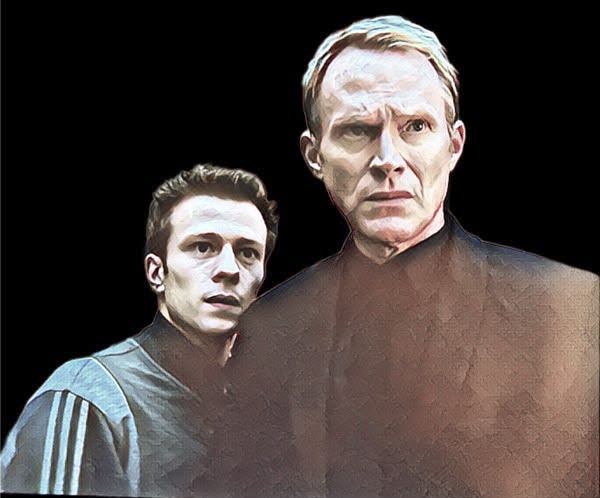
The second season of Black Doves occupies first place among Netflix series, followed by The Body and The Empress. These are three very different productions that, together, demonstrate the enduring appeal of suspense, personal drama, and complex female characters.
The success of Black Doves is particularly interesting because it confirms that an espionage series can attract viewers without relying exclusively on action. The chemistry between Keira Knightley and Ben Whishaw, their characters’ moral ambiguities, and the combination of violence, humor, and emotional relationships give the show a distinct identity in an increasingly crowded genre.
The presence of Lupin in fourth place reinforces another important aspect of streaming: audiences continue to follow characters they already know and want to revisit. For Netflix, that attachment can be just as valuable as its ability to launch something new every week.
Among movies, Never Surrender leads the ranking, followed by a Christmas-themed release and The Good Lawyer. The holiday season is already beginning to make its presence felt, reminding us that the calendar also plays a significant role in entertainment consumption.

HBO Max: The Gilded Age Turns Period Drama Into an Event
The leadership of The Gilded Age is one of the week’s most interesting results. Its fourth season keeps the series at the center of conversations, demonstrating that a historical drama built around social conventions, marriages, ambition, and power struggles can generate as much passionate engagement as major fantasy or action franchises.
There is another important element: The Gilded Age has become a series that extends far beyond the viewing experience. Its characters inspire discussions, interpretations, and even fierce divisions among viewers, particularly when romantic relationships and the social rules of the nineteenth century are involved.
In third place is War, a production that explores professional and moral conflicts but also illustrates how appearing among the most popular titles does not necessarily indicate critical consensus. Popularity and quality remain two very different concepts.
Among movies, The End of Oak Street leads, followed by Matilda and The Prout-Prout Fish. Further down the ranking, two installments of The Hunger Games, The Da Vinci Code, and 50 First Dates demonstrate the space familiar productions continue to occupy on the platform.
A movie does not have to be new to attract an audience. Sometimes it simply needs to become available at the right moment.

Disney+: The Empire of Franchises and Emotional Nostalgia
Disney+ offers perhaps the week’s most revealing portrait. VisionQuest leads the series ranking, followed by The Remarried Empress and The Kardashians. The variety of genres demonstrates that the platform extends well beyond Marvel, Star Wars, and animation, even if those brands remain essential to its identity.
VisionQuest carries the emotional and narrative weight of the Marvel universe, but it also represents an attempt to explore characters and consequences that do not always find room in theatrical productions. It is an extension of a mythology that must constantly reinvent itself rather than depend exclusively on the recognition of its superheroes.
The fifth-place position of All’s Fair also demonstrates Ryan Murphy’s ability to keep his productions visible, even when they provoke sharply divided critical reactions.
The movie ranking, however, is even more revealing. Moana leads, followed by The Grinch, Home Alone, Toy Story 5, and Spider-Man: No Way Home. The list also includes Coco, Frozen, and Home Alone 2.
It would be difficult to find a clearer example of the power of franchises and emotional nostalgia.
Disney+ does not depend exclusively on new releases because it possesses a catalog built around characters that transcend generations. The approaching holiday season helps explain the popularity of Christmas movies, but the phenomenon goes well beyond seasonal viewing.
Audiences return to familiar stories because they are also seeking a familiar emotional experience. Few companies have understood that mechanism as successfully as Disney.


Prime Video: Fantasy Remains a Powerful Attraction
The third season of The Lord of the Rings: The Rings of Power leads Prime Video’s series ranking, followed by Campus Drivers and The Terminal List. The contrast between these productions illustrates the platform’s broad range of investments: epic fantasy, romance, and action.
The Rings of Power represents an enormous commitment to an internationally recognizable fictional universe, but it also faces the challenge of justifying its existence to viewers deeply attached to Tolkien’s work and Peter Jackson’s film adaptations.
Fantasy offers an important commercial advantage: established universes can immediately mobilize an audience, although maintaining that interest ultimately depends on the storytelling.
Among movies, The Mongoose occupies first place, while Drive, several Harry Potter installments, and other familiar productions appear in the ranking.
The concentration of multiple Harry Potter films is particularly significant. It demonstrates how a single franchise can occupy several positions simultaneously, turning the viewing experience into a marathon and multiplying its presence in the Top 10.

Paramount+: MobLand Sustains the Appeal of Crime Drama
MobLand occupies first place among Paramount+ series, followed by Tulsa King and South Park. Further down the list are Dexter: Resurrection, Dexter, Yellowstone, and Lioness.
Few platforms display such a recognizable identity in their rankings. Crime dramas, morally ambiguous characters, family conflicts, and stories about power occupy a privileged position at Paramount+.
The simultaneous presence of MobLand, Tulsa King, and two productions from the Dexter universe reveals an audience fascinated by protagonists who operate somewhere between violence and the moral justification of their actions.
Interestingly, these productions do not need admirable characters to attract viewers. Engagement often emerges precisely from contradiction, from curiosity about what someone might be capable of doing to preserve power or ensure survival.
Among movies, Jackass: Best and Last leads, followed by Thieves Highway and Tuner. The selection combines physical comedy, action, and suspense, offering a different picture from the dominance of serious dramas among the platform’s series.

Apple TV: Prestige, Identity, and New Ambitions
The arrival of 12 12 12 places the production at the top of Apple TV’s series ranking, followed by Nocturne and Ted Lasso. Stick occupies fourth place, while Slow Horses, Silo, Dark Matter, and Severance remain among the ten most popular titles.
Apple TV has a distinctive characteristic: its relatively concentrated catalog allows series from different periods to continue attracting attention. Productions such as Slow Horses, Severance, and Dark Matter help define the platform’s identity, combining suspense, science fiction, and character-driven drama with an emphasis on prestige.
The presence of Ted Lasso and Stick also demonstrates that comedy and sports dramas remain essential to that balance, preventing the service from relying exclusively on darker narratives.
Among movies, F1 leads, followed by Matchbox and Being Heumann.
The third-place position of the drama about Judy Heumann deserves particular attention because it represents a very different proposition from large-scale action productions and conventional entertainment.
Its story about the struggle for disability rights has found a place in a ranking frequently dominated by titles with more immediate commercial appeal.

The Bigger Picture: New Stories to Follow, Familiar Stories to Revisit
What makes the comparison between these six platforms interesting is not simply discovering who occupies first place. It is understanding how each service relates to its audience.
Television series continue to function as cultural commitments. The Gilded Age, Black Doves, VisionQuest, The Rings of Power, and MobLand offer stories that encourage continued engagement, conversation, and anticipation.
The experience does not necessarily end when the credits roll. It extends into discussions about characters, debates over narrative decisions, and the anxiety of waiting for the next episode.
Movies reveal a different pattern. Although premieres remain important, titles such as Home Alone, The Grinch, Matilda, Harry Potter, Frozen, and The Hunger Games demonstrate that familiarity is a powerful motivation when deciding what to watch.
This does not mean television series are necessarily more innovative or that movies survive exclusively through nostalgia. What the rankings suggest is the coexistence of two different viewing impulses: the desire to discover what happens next and the comfort of returning to a story whose ending we already know.
Perhaps this is one of the greatest contradictions of contemporary streaming.
We have never had so many new stories available to us, yet we continue to find comfort in the ones we already know by heart.
Descubra mais sobre
Assine para receber nossas notícias mais recentes por e-mail.

