
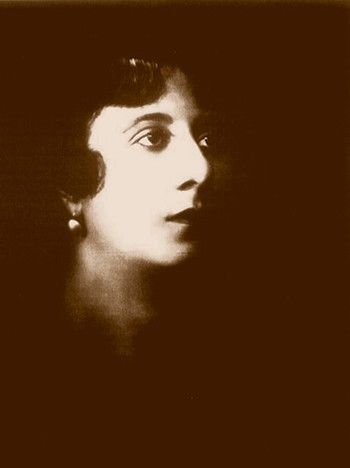
Rosa Repetto Petit was born in Milan, where she learned the craft of shoemaking.
Married to a Frenchman, Edmond Petit, who owned a brasserie in Paris, the couple supported their son Roland, who discovered dance at a very young age. He entered the prestigious Paris Opéra Ballet School at just nine years old and, by sixteen, Roland Petit was already making his debut with the company.
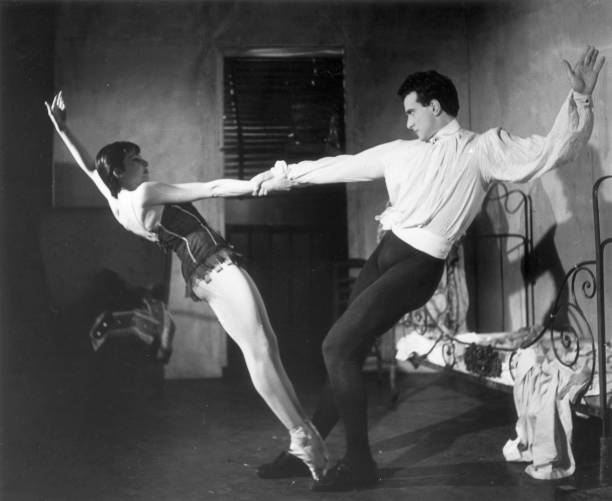
At only twenty, he revealed his genius by creating the ballet Le Jeune Homme et la Mort.
He became a star.
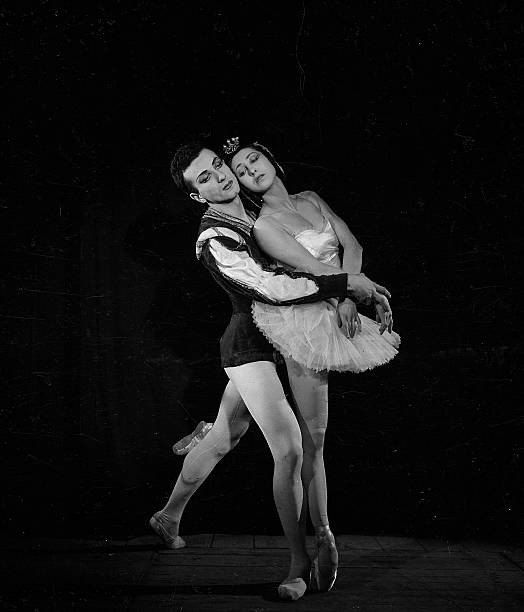
Rosa’s bond with her son would go on to transform both fashion and the family business.
Roland suffered great pain after rehearsals due to ballet shoes that were ill-suited to his feet. Like any devoted mother, Rosa decided to help. She created shoes especially for him—custom-molded, lightweight, and comfortable, which he immediately began wearing. The result was an instant success.
The brand, Repetto, was born.
Before long, the atelier (which to this day remains near the theater, on Rue de la Paix) began receiving growing demand from other dancers who wanted the same slippers Roland wore.
This marked the birth of the “Repetto” ballet flats—the most beautiful and light ballet shoes, still favored by countless stars and long since transcending the stage.
Called ballerinas, Madame Rosa quickly understood the source of the discomfort: the sole.
To solve it, she reversed the process, sewing the sole inside-out before turning it right side out. This entirely handmade method created a flexibility unlike anything seen before.
In a very short time, the Rue de la Paix atelier dedicated itself exclusively to ballet shoes. For women, Madame Rosa developed a technique—now patented—that solved two problems at once: comfort and noise.
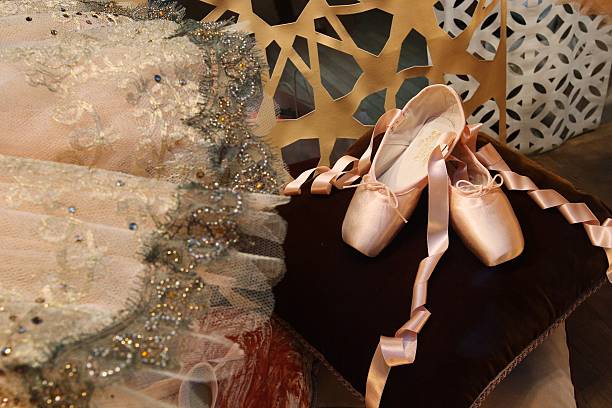
The brand’s pointe-shoe fitting process is unique, and once again the shoes were comfortable, flexible, and nearly silent. The plastered toe box produced almost no sound, eliminating the irritating “tap-tap” that disturbed performances.
As a bonus, Repetto’s aesthetic refinement is incomparable. They are simply beautiful.
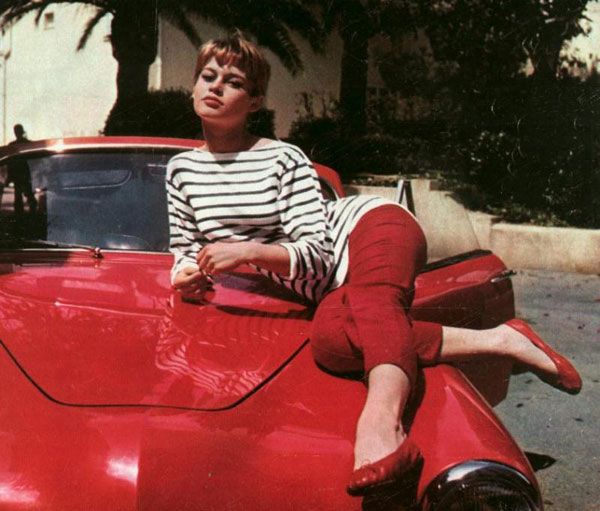
Fashion and cinema embraced the ballet flats when a former ballerina turned actress asked Madame Rosa to adapt her stage shoes for the streets. One more request: could they be red?
Repetto agreed and created the Cendrillon flats—true fashion classics that turned “Roland Petit’s mother” into a star in her own right.
In the process, the world discovered Brigitte Bardot, and the red ballet flats became iconic along with her.
The atelier then evolved into a commercial boutique, with demand coming from all over the world and from major international stars.
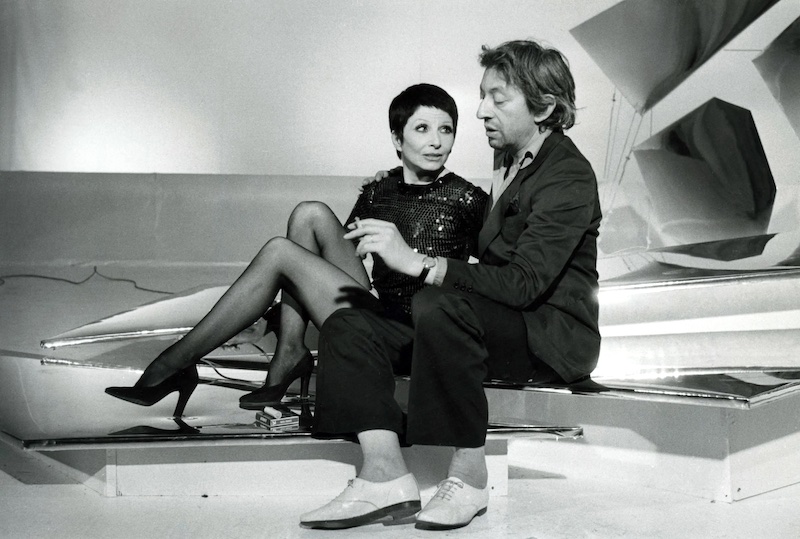
As if Bardot weren’t enough, Serge Gainsbourg gave the brand new momentum in the 1970s. The poet and singer fell in love with the shoes Madame Rosa had created for his daughter-in-law, the ballerina Renée “Zizi” Jeanmaire.
These white Oxford-style shoes differed from the slippers made for Roland by adding a heel, a thick yet flexible leather sole, and laces.
The color? White (though other shades exist). A timeless, unisex piece – still a top seller – is one that Gainsbourg helped immortalize.
Rosa Repetto Petit passed away in 1984, at the age of 77.
In 1999, the Repetto brand was sold, but even under new ownership, it maintained its deep connection to ballet. Madame Rosa is considered one of the greatest shoe designers of all time, with her ballet flats included among the shoes that changed history.
Today, Repetto produces over 500,000 pairs annually and employs numerous artisans in France.
And it all began with the talent—and the love—of a mother for her son.
Descubra mais sobre
Assine para receber nossas notícias mais recentes por e-mail.


1 comentário Adicione o seu