
Purpose can be a burden and a heavy one too. The vain Loki (Tom Hiddleston), in his complex and exciting personal evolution, finally closes his existential arc, accepting the weight that is implicit in his destiny. The conclusion of Loki’s second season was less unanimous than the first, but no less profound. Since we met Thor’s “adopted brother” (Chris Hemsworth), he has ranged from antagonist to antihero, now embracing his new persona that puts him where he always wanted to be: in control of the story.
Glorious Purpose is the password to Loki Laufeyson’s soul, something he has always affirmed and sought as a personal definition. Denied in the Avengers, in the Thor films, we slowly see him mature and transform. Loki’s deaths broke our hearts (and Thor’s) more than once and this variant that we follow in the Disney Plus series is the definitive one (especially because the fate of the “real” Loki stops in the hands of Thanos). Therefore, calling the final episode a “glorious purpose” is to make sure that we finally complete the character’s evolution.

There are those who argue that the plot of the second season is full of holes and flaws, and yes, it is stretched. In the first, we had Loki “saved” from his death and dealing with choices of which of his variants he would have to sacrifice, as well as coming back and taking his place with another alternative, making us travel with him on a philosophical and fun journey of destiny versus free will. Now we basically find Loki racing against time and chaos – for centuries – until he solves the problem started by Sylvie (Sophia DiMartino) when she killed He Who Remains (Jonathan Majors) at the conclusion of the first one. Without anything really “new” in the scenario, we went round and round, we had villains (the terrifying Miss Minutes!) that were poorly resolved and, in the end, the whole drama could have been resolved in two or three episodes. We had six.
It’s a little ironic that, with everything that’s been happening behind the scenes, realize that if Marvel didn’t anticipate seeking to have at least one immediate option at hand to solve all the problems of this dark (and less successful) phase, Loki today offers that alternative. With it, you can rewrite everything, close the doors, come and go if you want, with whoever you want, and at whatever moment you think is best. A purpose that is more than glorious, it is vital!
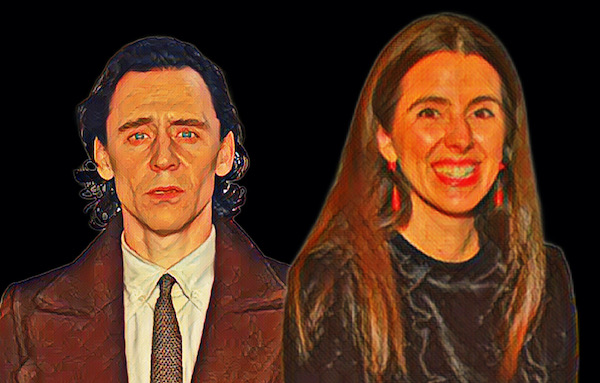
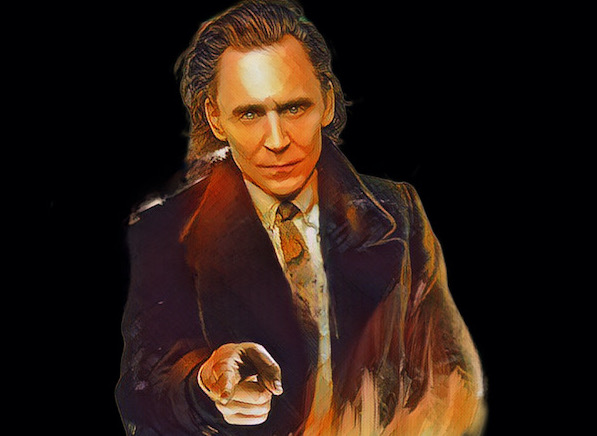
Composer Natalie Holt absolutely made history with her soundtrack, so perfect and innovative that it excites us from start to finish. The sequence of the Marvel Studios logo running in reverse with its precise orchestration is chilling, as is the final moment, with grandeur and emotion aligned. Not only has Loki learned to control his “time slip” but he uses it with purpose, going further and further back in time to relive events and change the outcomes. For now, we focus on the two seasons of the series, perfectly tied together, but we understand the potential. As the actor commented in an interview, Loki can go back and forth in time, but it’s uncertain whether it’s a skill he can teach or pass on to others.
Returning to the spiritual aspects that dominated the first season, Loki’s evolution depends on his acceptance and understanding that sacrifices for the greater good connect us and – in his case – complete his mission. Mobius’ (Owen Wilson) decision to save him indirectly brought part of what Loki always wanted: friends, family, and acceptance. His dispute with Thor always left him on the losing side, hurting his ego. At TVA, Loki finally made his class and found his purpose. Yes, by now everyone has seen the episode: Loki is the God of Time, but he only understands that the Crown and the throne are his when he no longer wants them, a Kabbalistic principle translated by Sting (If you want something, set it free). It’s the paradox of wanting something very much but also knowing that you always have to be ready to sacrifice what you want most. With people who like and respect him, Loki understands what it’s like to give up his goals to save those he loves and thus, he gains what he always wanted. Unfortunately, it comes with loneliness, but the happiness of it is for the greater good. It is the ideal use of free will.
Fans are looking for all the Easter eggs and connections between the series and the upcoming MCU films and content, and as everything is literally in Loki’s hands, it’s quite a challenge. I was moved by the tragic nature of the solitude imposed by his glorious purpose. That the timeline is the image of Yggdrasil, the Norse tree of life, is pure poetry. I’m happy for him, but sad too. No, it’s brilliant.
Descubra mais sobre
Assine para receber nossas notícias mais recentes por e-mail.

