
There is always a moment when a film stops being just a narrative and begins to operate on another level. It is no longer about what happens on screen, but about what shifts within the person watching.
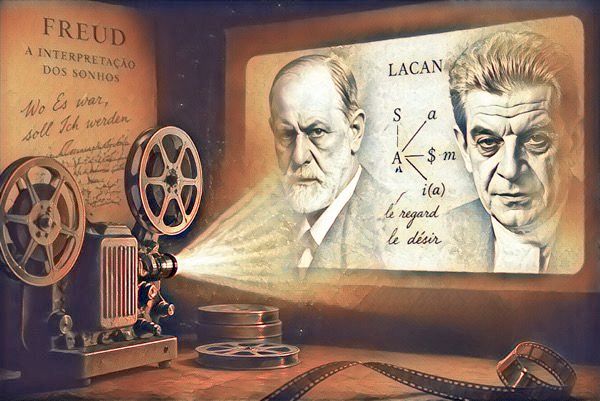
In ANAlista, a column guided by a psychoanalytic lens, films are approached through what escapes the plot: reactions, repetitions, symptoms, and images that continue to operate after the ending. What stays with us is not necessarily the story itself, but what returns, what insists, what remains unresolved.
Cinema projects images. But it also organizes projections. We do not always recognize what is at play, and perhaps that is precisely why certain scenes stay with us, while others disappear.
Because what we are seeing is not always conscious. Or seldom.
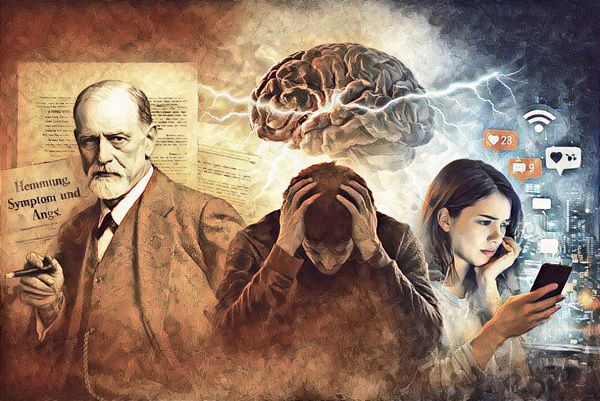
Is Anxiety Modern? Freud Answered That 100 Years Ago
Guillermo del Toro’s Frankenstein and the Freudian Tragic Dream
Freud and Disney: When Dreams Become Songs


When Everyone Becomes a Narcissist
Miranda Priestly and the Invisible Mirror of Power: Why We Recognize Our Bosses in Her
Why Do So Many Films Show Teenagers Regretting Growing Up?
Descubra mais sobre
Assine para receber nossas notícias mais recentes por e-mail.

