
Marilyn Monroe remains something like a modern sphinx still waiting to be deciphered. An impossible task, of course. Few figures in pop culture continue to be revisited as relentlessly as she is. But as the centenary of her birth approaches on June 1, 2026, the newly released material about her final months stands out for a different reason. Instead of simply feeding the fascination surrounding her death, the conspiracy theories, or the frozen image of the “tragic blonde,” these accounts recover a Marilyn who was far more lucid about her place within Hollywood and about the burden of the character she spent years sustaining.
The book Marilyn: The Lost Photographs, The Last Interview brings together the final interview she gave to Life magazine, along with a series of rare photographs taken by Allan Grant in July 1962, just weeks before her death. The conversation, conducted by journalist Richard Meryman, had only been partially published at the time, but now appears in full alongside images that remained unseen for decades. The recording itself had been available for years to anyone willing to listen. I listened to it long ago, and I still often return to the line that stayed with me most, the moment she asks to be taken seriously.
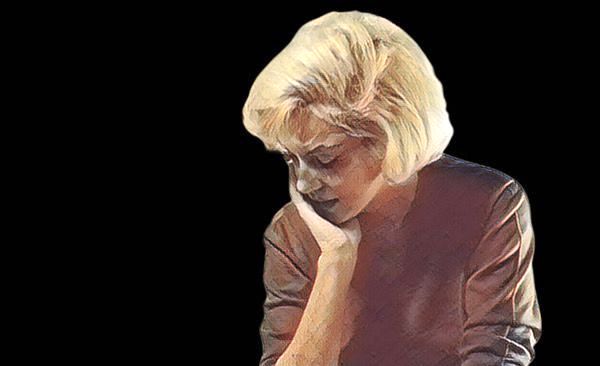
Now, some people try to use that interview as proof that a woman speaking about the future would never have taken her own life shortly afterward. But what is truly striking is not the retrospective sadness that inevitably surrounds anything Marilyn said in the final days of her life. It is the clarity with which she seemed to understand the machinery surrounding her. At several points, the actress speaks openly about the discomfort of being reduced to a sex symbol, something that brought her fame but also turned her into a public object. She mocks her own status, comments on how Hollywood constantly diminished her, and recalls that even while starring in Gentlemen Prefer Blondes, she earned far less than Jane Russell and still had to fight for something as basic as her own dressing room.
At the same time, the interview reveals a Marilyn who is lighter and more witty than collective memory often allows. She laughs while talking about fame, compares celebrity to eating too much caviar, and describes her chronic lateness almost as a form of resistance. When the press claimed she was depressed or in decline, she responded by taking even longer to get ready, adding more sparkle, more makeup, more glamour, almost as an act of provocation.
The new photographs also help dismantle the idea of a permanently defeated Marilyn. In the images taken at home, she appears relaxed, smiling, vulnerable, without seeming destroyed. There is something deeply human in that contrast between the barefoot woman in a robe with smudged makeup and the public figure the world insisted on seeing only as fantasy.
That same contrast appears in the recollections of James Haspiel, the fan who became one of her closest friends throughout the 1950s and early 1960s. To him, Marilyn Monroe was a necessary invention for Hollywood, while Norma Jeane existed far away from the cameras. Haspiel describes a discreet, generous woman who was far less performative than the caricature built around her. He recalls Marilyn walking through New York without makeup to anonymously hand money to unhoused people and even buying captured birds simply to release them afterward.
There is also something especially revealing in the way she talks about family. Marilyn admits that, on some level, all she ever wanted was to be a happily married woman with a stable family, while also recognizing that her life had unfolded differently. She speaks affectionately about her stepchildren and about the discomfort of seeing them exposed to cruel stories written about her. Instead of the eternal image of the untouchable star, what emerges is someone still profoundly marked by childhood spent in orphanages and foster homes, still trying to create some sense of belonging.
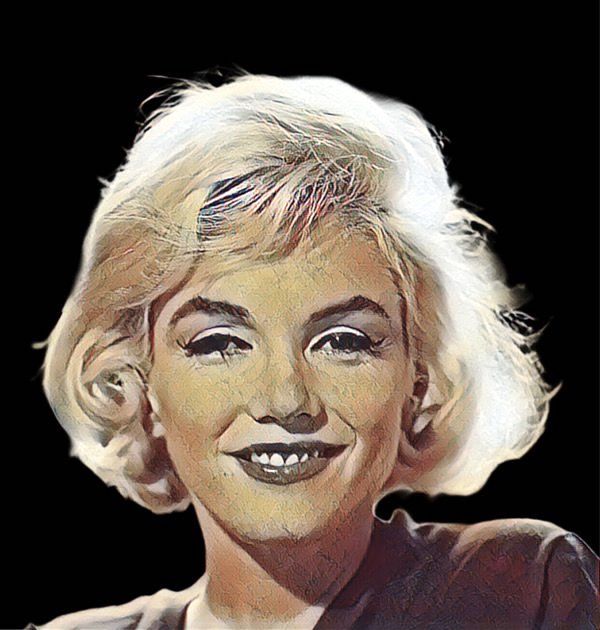
Perhaps that is precisely what keeps Marilyn so culturally alive one hundred years after her birth. Not only her beauty or the mystery surrounding her death, but the constant feeling that there was always a distance between who she was and what the public wanted to consume. Hollywood created Marilyn Monroe as a collective fantasy, but the interviews, letters, photographs, and intimate recollections continue to reveal a woman trying to negotiate space within that very invention.
And there is something profoundly contemporary about that. The difficulty of controlling one’s own narrative, the transformation of intimacy into spectacle, the pressure to sustain a public image even when it no longer reflects the real person underneath. Marilyn understood all of this perhaps long before celebrity culture reached the obsessive level we know today.
That is why these new revelations function less as a definitive answer to the “Marilyn mystery” and more as a reminder that she never fully fit inside the character cinema sold to the world. Even near the end, she was still trying to explain that there was something beyond the image.
Descubra mais sobre
Assine para receber nossas notícias mais recentes por e-mail.


1 comentário Adicione o seu