
For a long time, it seemed natural to compare Otto Hightower to Tywin Lannister. Both were brilliant strategists, authoritarian patriarchs, and architects of dynasties built on ambition, control, and the absolute conviction that only they truly understood how the world worked. House of the Dragon, however, ultimately revealed something far more interesting: Otto was never Tywin. His tragedy was much deeper.
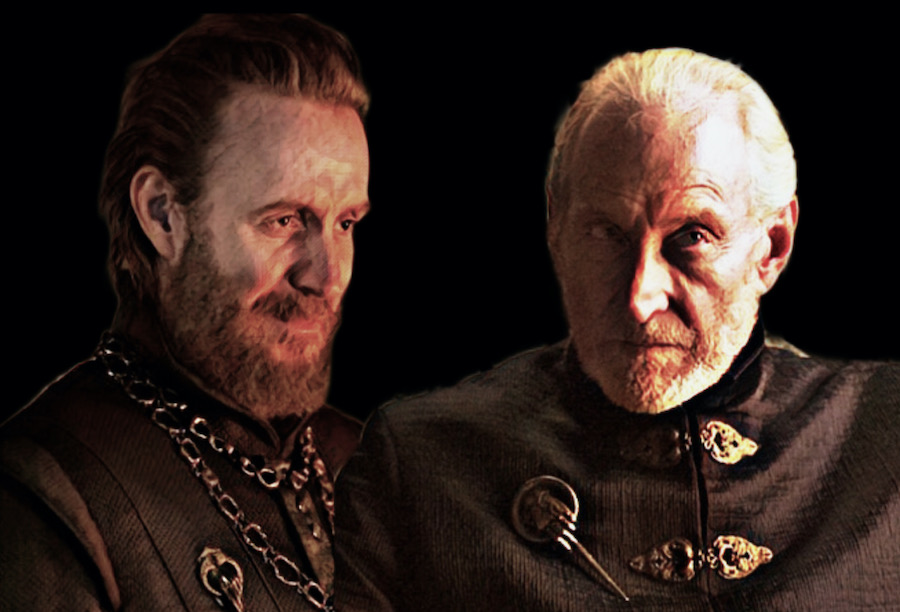
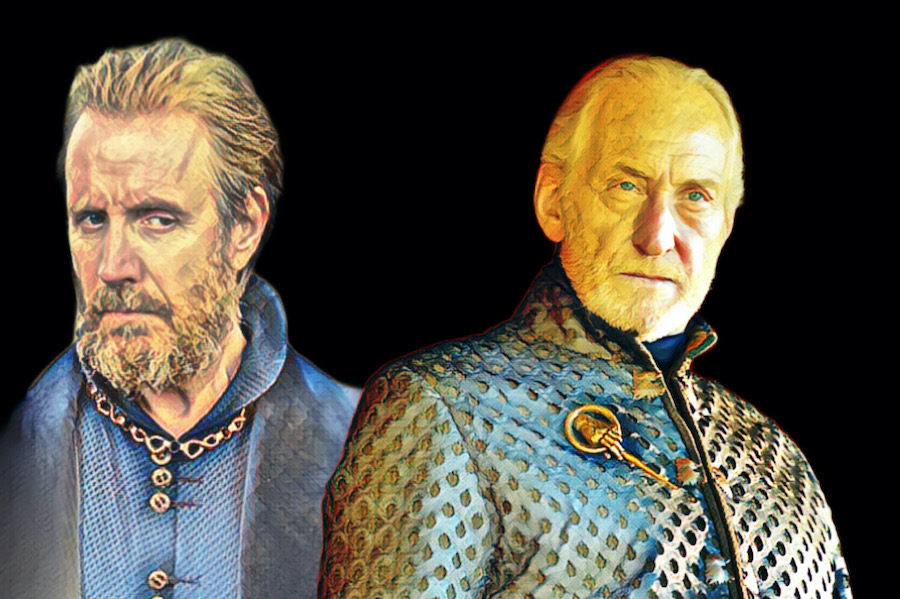
When we first meet Otto, he has already won. Before the events of the series even begin, he had served as Hand to King Jaehaerys and later to Viserys I. He survived transitions of power, managed dynastic crises, and consolidated unprecedented influence for his own family. None of this happened by accident. Otto was intelligent, patient, calculating, and utterly ruthless.
We know very little about his wife, but everything suggests that Otto genuinely loved her. The same cannot be said about the way he treated his own daughter. Alicent became a political instrument before she was old enough to understand that she was being used. Otto exploited her friendship with Rhaenyra to bring her closer to Viserys, transforming the princess’s childhood companion into her political rival and eventually her stepmother. It was perhaps the single most effective political move of the Dance of the Dragons—and also the one that would ultimately destroy his own family.
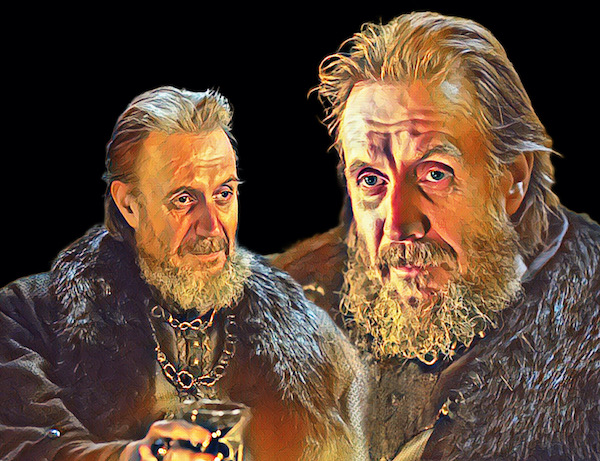
Otto despised Daemon Targaryen, distrusted Rhaenyra, and genuinely believed that both represented a threat to the stability of the realm. But, like so many powerful men in Westeros, he confused his own interests with the common good. Otto claimed to act in the name of tradition, religion, and social order. In reality, he was building something far more specific: a Hightower-Targaryen dynasty designed to occupy the Iron Throne permanently.
Rational and pragmatic, Otto surrounded himself with informants and agents. He used Mysaria as a source of intelligence, manipulated Viserys, exploited Rhaenyra’s insecurities, and worked tirelessly to keep Daemon away from the center of power. He understood the mechanics of politics better than any other character of his generation. His greatest mistake was not underestimating Daemon or Rhaenyra. It was underestimating Alicent.
In the television series, Alicent never becomes the political operator she is in the books. She is intelligent, but emotional, contradictory, and often unable to grasp the full scope of her father’s strategy. By the time she finally understands what Otto has built, it is already too late. And when the decisive moment arrives, she competes with him for influence over Aegon II. The civil war Otto spent decades engineering ceases to belong to him.
First, Ser Criston Cole occupies the political space that once belonged to Otto. Then Larys Strong assumes true control behind the scenes. While Otto still believes he is playing the game, he has already become little more than a piece on the board.
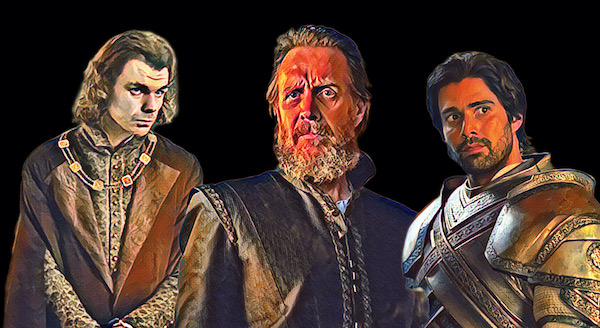
There is a remarkable irony in this. Otto spent decades manipulating kings, queens, princes, and councillors. In the end, he fell to the one man he never realized was playing an even greater game: Larys Strong.
The revelation that Otto had been imprisoned all this time, hidden away by Larys since the events of Rook’s Rest, completely rewrites his trajectory in the series. The great architect of the war spent his final days powerless, isolated, and forgotten. No one seemed to be looking for him. No one appeared capable of finding him. The man who believed he controlled Westeros discovered, too late, that he had lost control of his own story.
None of this would have worked without Rhys Ifans. Curiously, the actor has never hidden his dislike of Otto Hightower. In interviews, he has been quite open about disagreeing with the character’s values, worldview, and methods. Perhaps that is precisely why his performance is so extraordinary. Ifans never tried to make Otto sympathetic or defensible. Instead, he portrayed him with dignity, intelligence, confidence, and absolute conviction.
Otto always believed he was right. That was both his greatest strength and his greatest weakness.
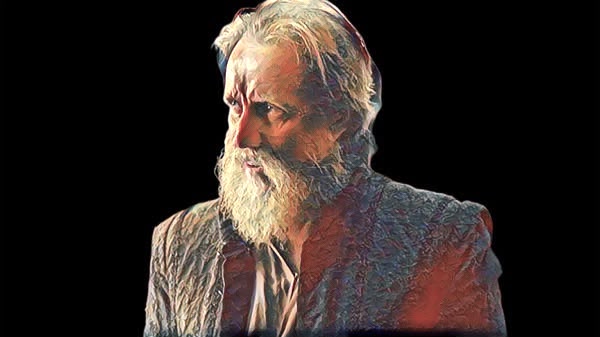
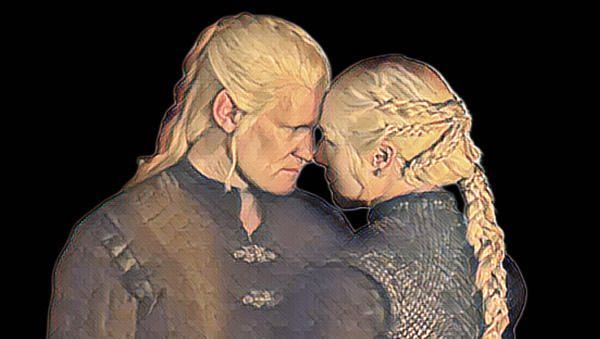
Ifans understood something fundamental about the character: Otto was not a fantasy villain, but a very recognizable historical figure—the man who governs without wearing the crown. He belongs to the tradition of what observers of the British monarchy often call the “men in grey suits”: the advisers, secretaries, and courtiers who exercise real power while monarchs merely embody the institution.
Viserys, preoccupied with peace, affection, and stability, often hesitated to act decisively. Otto occupied that vacuum. He knew exactly when to plant a doubt, when to tell an inconvenient truth, and when to remain silent. He manipulated without raising his voice. He persuaded without appearing to persuade.
Nor did he lack courage. Otto was the man who stood before Daemon Targaryen and Caraxes at Dragonstone armed with nothing but his authority and his conviction. It remains one of the clearest demonstrations of what made him so dangerous: he understood that power was, above all, a matter of perception.
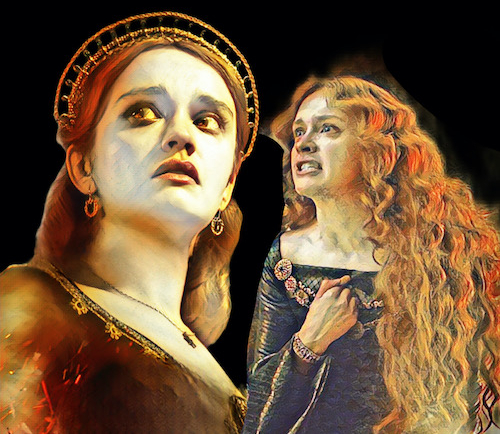
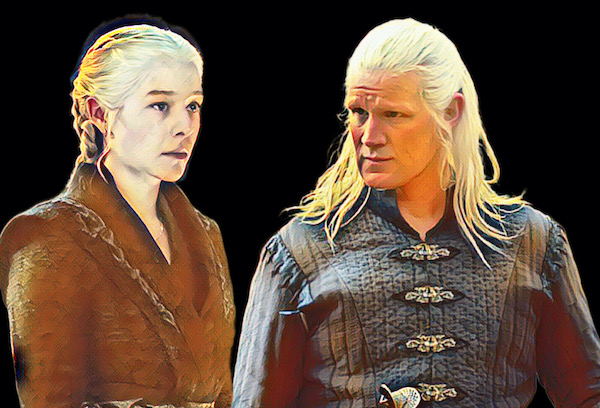
Rhaenyra and Daemon, however, saw Otto very differently. Rhaenyra underestimated him for much of her life, dismissing him as an ambitious and unpleasant courtier. Daemon hated him from the beginning. Not because he believed Otto was indispensable, but because he understood exactly what Otto represented: a man who had inserted himself into the heart of House Targaryen and intended to rule through it.
Viserys trusted Otto. Rhaenyra underestimated him. But Daemon never did. For all his flaws, Daemon was the only member of his family who recognized Otto Hightower as the political threat he truly was.
And perhaps that is Otto Hightower’s final irony: the man he hated most was also the only man who ever saw him with complete clarity.
When Rhaenyra finally finds him in King’s Landing, Otto remains Otto: proud, arrogant, and convinced of his own moral superiority. Even in the face of execution, he still attempts to manipulate the queen, suggesting that Viserys would have been disappointed in her.
But perhaps this is where the greatest truth about Otto Hightower finally emerges.
In psychoanalysis, we call this projection.
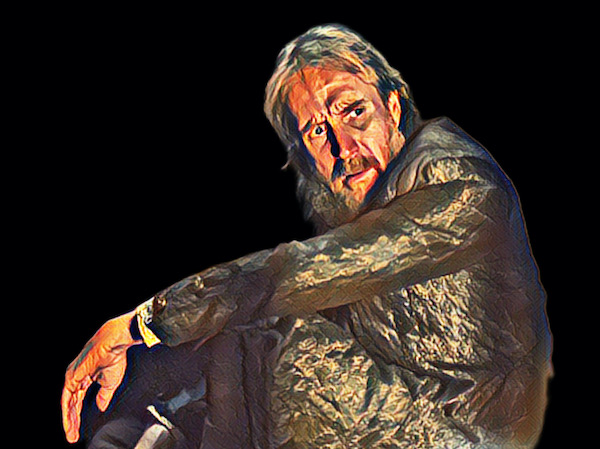

Because Otto dies knowing exactly who disappointed Viserys. He dies knowing that he sacrificed his daughter, exploited his grandchildren, destroyed the friendship between Alicent and Rhaenyra, provoked a civil war, and failed to build the dynasty he envisioned. He dies knowing that he lost.
Yet his tragedy does not end with him. Alicent had promised to surrender Aegon in exchange for peace and had spared Aemond. Perhaps she had even accepted sacrificing her eldest son because she recognized his suffering and the extent of his injuries. But the episode ends with her standing before her father’s severed head.
It is entirely possible that Otto Hightower, even in death, accomplishes one final act that defined his entire life: separating Alicent and Rhaenyra.
Because the Dance of the Dragons was always, above all else, a war between parents and children. And no one shaped more tragedies than Otto Hightower.
Descubra mais sobre
Assine para receber nossas notícias mais recentes por e-mail.


1 comentário Adicione o seu