
If you could erase the most painful memory of your life today, would you?
The answer seems obvious. Almost all of us would like to forget a loss, a betrayal, grief, trauma, or that one moment that keeps returning to our minds years later. When we are in pain, our fantasy is usually the same: to start over from scratch. As if it were possible to press a button, erase a memory, and move forward without carrying the weight of the past.
That is precisely the fantasy that the latest episode of Silo transforms into one of the season’s most fascinating discussions.
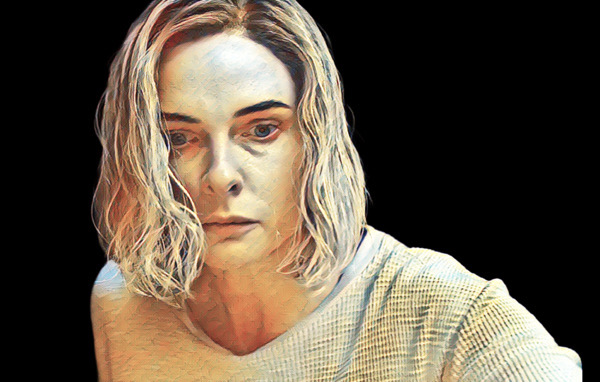
In what initially seems like a purely technical conversation, a doctor explains that the substance used by the system does not destroy memories. Instead, it simply prevents people from accessing them, as if raising a drawbridge between the individual and their own history. The memories continue to exist, but they become inaccessible. That gap creates an opportunity for an entirely new narrative to take its place. Once you can no longer access who you were, it becomes much easier to believe whoever tells you who you are.
Perhaps that is the series’s most disturbing revelation.
For generations, the inhabitants of the eighteen silos have been controlled not only through physical isolation but also through the isolation of memory itself. Without access to the past, all that remains is the official version of reality handed down by those in power. Experience no longer shapes history; history is shaped by narrative. Whoever controls that narrative ultimately controls identity.
It was impossible to watch that scene without thinking about psychoanalysis.
Not because Freud, Lacan, or any other psychoanalyst imagined a drug capable of blocking memory. The connection lies elsewhere. Silo asks a question that has echoed throughout the history of psychoanalysis: are we defined by what we have lived through, or by the way we have learned to make sense of those experiences?
Sigmund Freud, the founder of psychoanalysis, would probably be the first to challenge the solution proposed by the series. From his earliest work, he realized that remembering is not enough. Many of his patients could recount important childhood events in remarkable detail and still remain trapped in the same symptoms, the same conflicts, and the same repetitive patterns. The problem was never memory itself. It was the inability to work through experiences that continued to exert unconscious influence.
Decades later, Jacques Lacan reinterpreted much of Freud’s work and shifted the discussion in a different direction. When he famously stated that “the unconscious is structured like a language,” he argued that our identity is shaped not only by the events we experience, but by the way those experiences come to acquire meaning.
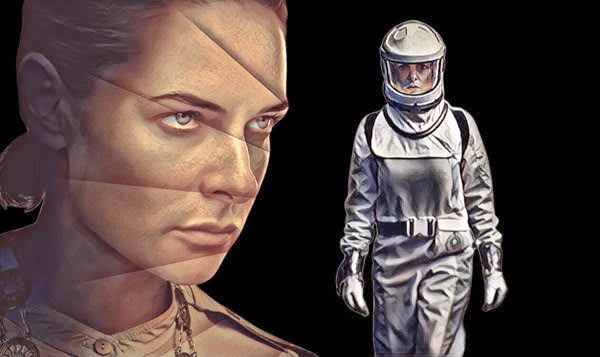
Memory lives next door to fantasy because it rarely returns to us in its purest form. It is filtered through affects, psychological defenses, and the meanings we construct throughout our lives. In other words, we do not remember only what happened. We also remember what we felt, what we imagined, what we feared, and the narrative we gradually built around that experience.
That is precisely why, long before we learn to speak, we have already been given names, expectations, desires, prohibitions, and family stories. We grow up hearing who we are, who we should become, and who we should never be. Little by little, those words stop belonging to others and begin organizing the way we see ourselves. This is what Lacan called signifiers: words that do not merely describe reality but actively participate in the formation of the subject.
From that perspective, perhaps Silo is less interested in erasing memories than in controlling meaning itself. The substance blocks access to the past, but the real power lies in filling that void with a new narrative. If no one can compare the official version of history with their own lived experience, that version eventually becomes reality. Science fiction imagines this process as a technological achievement. Psychoanalysis suggests that, in much subtler ways, we are all shaped by the stories we hear about who we are.
That is why so many people seek analysis when they are suffering. Very few enter a therapist’s office saying they want to understand their history more deeply. They come because they want to change. They want to stop repeating destructive relationships, control impulsive reactions, reduce anxiety, overcome trauma, or simply stop feeling a pain that seems endless.
But this is perhaps where the greatest difference emerges between what suffering people hope for and what psychoanalysis actually offers.
Does change mean erasing? Does it mean forgetting? Or does it mean building a different relationship with experiences that will always remain part of our history?
Over the past century, different psychoanalysts have answered that question in different ways. Donald Winnicott saw emotional maturity as the possibility of living in a more integrated and authentic way. Juan-David Nasio often argues that psychic pain must begin to circulate again before it can stop imprisoning the person who carries it. Despite their differences, they converge on one essential point: transformation does not occur because we forget who we once were.
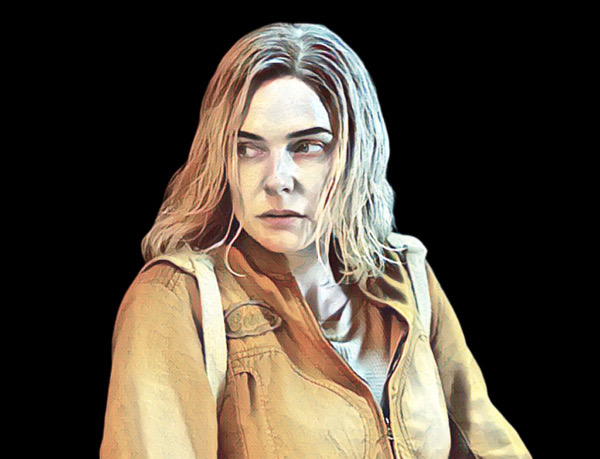
That is where Silo finds its deepest question. In the series, changing a person means interrupting access to the past to write a new story. Psychoanalysis follows the opposite path. It does not promise to erase pain or offer a fresh start. Instead, it seeks to understand how that story was constructed so that it no longer governs our lives in silence.
In the end, perhaps the real question was never whether forgetting is possible.
Perhaps the real question is this: if you could completely erase the most painful memory of your life, would you truly remain the same person?
That is precisely why psychoanalysis has never promised forgetting. It has always been interested in something far more difficult: understanding why certain stories insist on repeating themselves—and how we might finally stop being unconsciously governed by them.
Descubra mais sobre
Assine para receber nossas notícias mais recentes por e-mail.

