
Last October, when the third season of Monster came to an end, I wrote about Lizzie Borden and why her story continues to be revisited more than 130 years after the murders of her father and stepmother. At the time, Netflix had already confirmed that she would become the first woman placed at the center of Ryan Murphy and Ian Brennan’s anthology. Now, at last, we have a release date and the first images: Monster: The Lizzie Borden Story premieres on September 17.
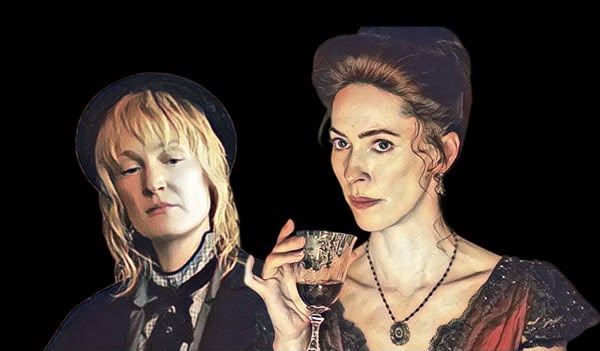
Ella Beatty, who appeared in Feud: Capote vs. The Swans, plays Lizzie. Vicky Krieps will portray Bridget Sullivan, the maid who lived with the Borden family; Charlie Hunnam, after leading the season about Ed Gein, returns as Andrew Borden, Lizzie’s father; Rebecca Hall plays Abby, her stepmother; Billie Lourd appears as Emma, Lizzie’s older sister; and Jessica Barden will play actress Nance O’Neil, one of Lizzie’s close friends.
But the most interesting part of Netflix’s announcement is not simply the date. It is the confirmation of the perspective chosen to tell a story that, from a criminal standpoint, has never truly been solved.
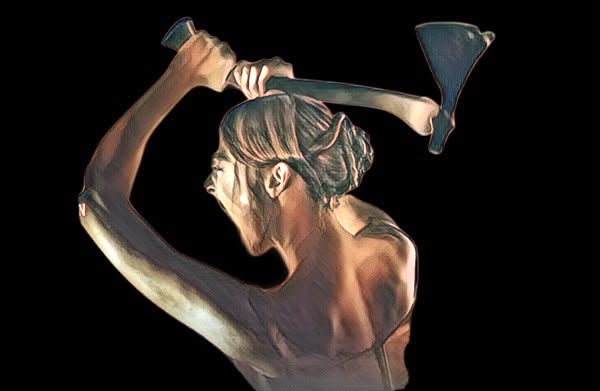
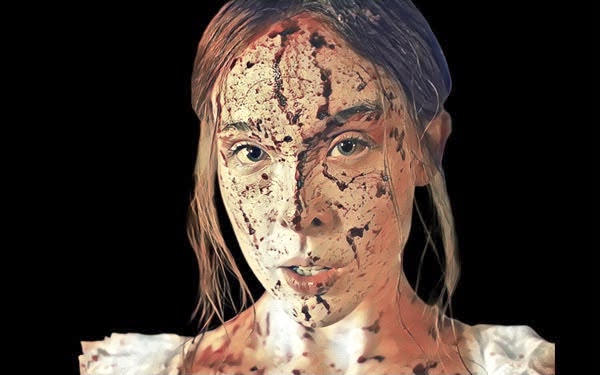
The official synopsis presents Lizzie as the repressed daughter of a wealthy New England family who, alongside the household’s rebellious maid, finds herself trapped in a home built on humiliation and cruelty. Together, they escape into a fantasy of sex, power, and revenge. The murders that follow do more than shock the world: they transform Lizzie into a woman who refuses to remain imprisoned and chooses instead to create her own legend.
In other words, the series does not appear especially interested in reconstructing the trial simply to ask, once again, whether Lizzie was the one holding the axe. Ryan Murphy has chosen a more provocative question: what would have to happen inside a house, a family, and a society for a woman like Lizzie Borden to become possible?
Ella Beatty herself described the season as an investigation into the psychology of a complicated figure and an American crime that has taken on almost mythical proportions. She also said the series explores female rage and repression, themes that, in her view, remain strikingly relevant.

That is precisely why Lizzie Borden has never disappeared. Her case has inspired films, television series, musicals, operas, and even ballets. Every generation finds a new way of looking at her: murderer, victim, oppressed woman, lover, resentful daughter, feminist symbol, or character created by the collective imagination.
In 2018, Chloë Sevigny and Kristen Stewart had already explored the possibility of a relationship between Lizzie and Bridget in the film Lizzie. The new season appears to follow a similar path, but within Ryan Murphy’s highly stylized universe: a Gothic story about desire, violence, misogyny, and liberation, using the gaps in the historical record as space for fantasy.
When I wrote about her last year, I ended by saying that Monster did not need to answer who killed Andrew and Abby Borden. It only needed to ask what the case says about us and about our need to turn women we cannot decipher into monsters.
Judging by the first images, Netflix does not intend merely to ask that question. It plans to place the axe in Lizzie’s hands and allow her to answer it herself.
Descubra mais sobre
Assine para receber nossas notícias mais recentes por e-mail.
 miscelana.com