
Spoilers ahead
The third season of House of the Dragon ends at Tumbleton, in a battle that readers of Fire & Blood have anticipated for years, but which arrives on television surrounded by new possibilities and, because of them, even greater tragedy. We know the general outcome of the confrontation in the book. We know which betrayals are supposed to happen and which characters should die. But the adaptation has moved so many pieces that George R.R. Martin’s version of events can no longer be used as a reliable map.
In the eighth and final episode, the First Battle of Tumbleton should end with a devastating defeat for the Blacks, even if the Greens also suffer significant losses. Hugh Hammer and Ulf White are expected to become the infamous Two Betrayers, Ormund Hightower may meet his end, and Daeron will probably survive. Yet the victory will leave the Green army without clear leadership and surrounded by two men riding dragons far too powerful to be controlled.
It is a military triumph that threatens to destroy the people who achieved it.
Why Has Tumbleton Become So Important?
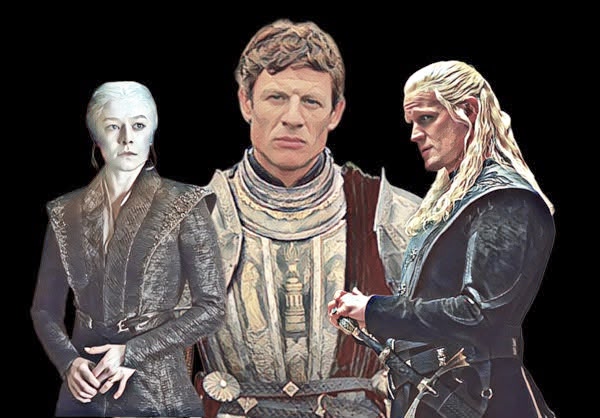
Tumbleton is a prosperous market town in the Reach and the seat of House Footly. In the book, it represents the last major stronghold loyal to Rhaenyra between Ormund Hightower’s army and King’s Landing. If the Greens take the town, the road to the capital becomes dangerously open. If the Blacks recover the region, they can stop the forces advancing from Oldtown.
The series has made Tumbleton even more important. It is no longer simply a strategic position. It has become the meeting point for almost every major tension developed throughout the season.
Ormund occupied the town and began using it as a base from which to challenge Rhaenyra, manipulate Daeron, and attract the Black dragonriders. Gwayne Hightower is there, trying to protect his nephew from Ormund’s influence. Corlys Velaryon is being held prisoner. Kat, Hugh’s wife, is living under occupation. And Ulf has already begun negotiating the price of his loyalty.
The outcome of the battle may be familiar, but the motivations behind it have been completely rewritten.
Aemond’s Absence Will Also Decide Tumbleton
There is another crucial absence at Tumbleton: Aemond and Vhagar.
Just as the second season turned Harrenhal into a kind of trap for Daemon, the third season has done the same to Aemond through Alys Rivers. Daemon spent weeks imprisoned within dreams, nightmares, and visions that forced him to confront his own traumas. Now Aemond is the one trapped inside the castle, recovering from his injuries and becoming increasingly vulnerable to Alys’s influence.
The difference is that Aemond is not merely wounded. The series has established that Vhagar abandoned him, leaving him at Harrenhal without the dragon responsible for almost the entire military superiority of the Greens.
Vhagar’s absence is essential for the First Battle of Tumbleton to happen as we know it. Aemond is also absent from the confrontation in the book, giving the Blacks a genuine chance of facing Ormund’s army. If Vhagar were present alongside Tessarion, Vermithor, and Silverwing, no combination of dragons sent by Rhaenyra would be strong enough to overcome the Greens.
That is precisely why the betrayal of Hugh and Ulf becomes so important. Without Vhagar, the Greens depend on the two men Ormund is trying to recruit. When Vermithor and Silverwing change sides, they do not merely secure the victory. They temporarily occupy the space of power left open by Aemond.
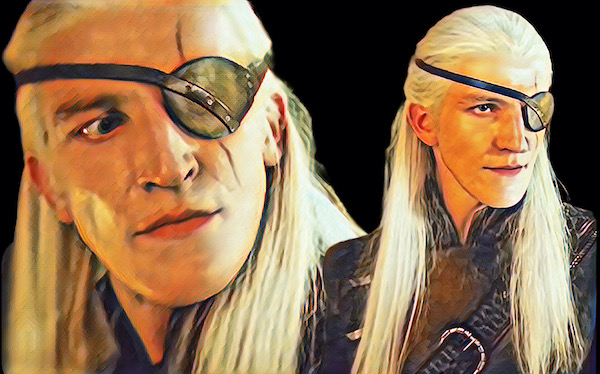
Vhagar will almost certainly return to him, but apparently not in time for Tumbleton. While Aemond remains at Harrenhal, injured, manipulated by Alys, and separated from his dragon, the war moves forward without the man who believed himself indispensable to the Green cause.
His absence creates another irony. Aemond has always ruled through the fear inspired by Vhagar. At Tumbleton, two ordinary men will discover that they can command the same fear — and perhaps demand even more in return for it.
Ulf Has Already Chosen His Price
Ulf’s betrayal seems almost inevitable. Ormund quickly understood something Rhaenyra and Daemon either failed to notice or did not consider important: Ulf did not simply want to serve the queen. He wanted to be recognised as someone who mattered. In fact, the clue was given by Daemon himself at the beginning of the season, when he fell for the “fake Daeron” ruse.
Since becoming Silverwing’s rider, Ulf has received power but continued to be treated as an embarrassing, vulgar, and disposable presence. Ormund, by contrast, offers him respect, titles, and social advancement. First, he suggests Honeyholt. Then he goes even further, mentioning Driftmark and the title of Lord of the Tides, promising Ulf lands and honours that he has no legitimate authority to give.
The irony is that Corlys, the true Lord of the Tides, is being held prisoner in Tumbleton. Ulf may soon look directly at the man whose name, position, and legacy he believes he is about to inherit.
Ormund did not create Ulf’s ambition. He merely made it appear legitimate.
How Will Hugh Become the Second Betrayer?
With Hugh, the series still needs to complete the turn.
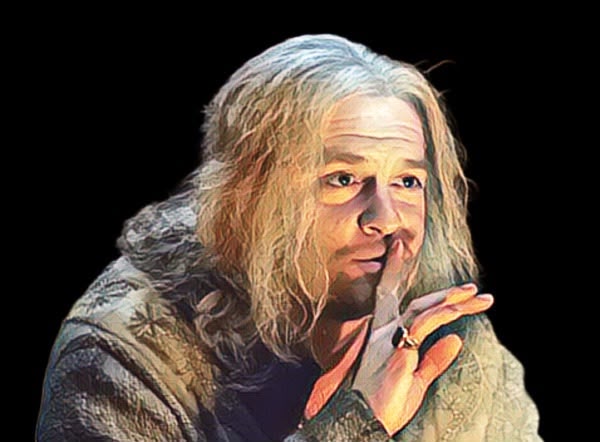
Unlike Ulf, he does not initially appear to be driven by titles or by the desire to take another man’s place. Hugh has known hunger, lost a daughter, and become Vermithor’s rider, believing that he could protect his family and contribute to a greater cause. His weakness is not vanity. It is Kat.
Rhaenyra knows that Hugh’s wife is in Tumbleton, just as she understands that his interest in the town is personal. Ormund must have realised it as well. If he wants to win Vermithor, he does not need to offer Hugh a castle. He only needs to convince him that Rhaenyra abandoned Kat, placed her life in danger, or arrived too late to save her.
The difference between the two men can be expressed very simply: Ulf is bought. Hugh must be broken.
The central question of the final episode is therefore no longer whether both men will betray Rhaenyra, but how Hugh will be pushed into joining someone whose motives are so different from his own.
Ormund May Die, but His Plan Will Survive
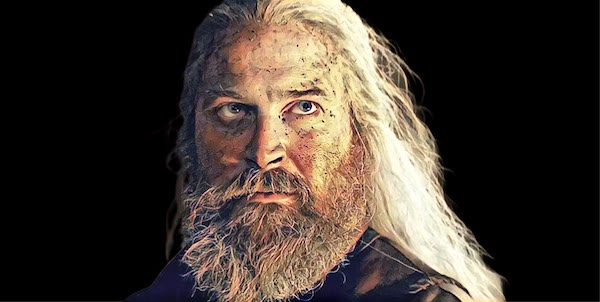
In Fire & Blood, Ormund Hightower dies during the First Battle of Tumbleton, mortally wounded by Roderick Dustin, known as Roddy the Ruin. His death should have thrown the Greens into disarray, but it occurred during the same confrontation in which Hugh and Ulf turn Vermithor and Silverwing against the town’s defenders.
In the series, Ormund has become far more than the commander who falls during the battle. He is the architect of the betrayal.
By identifying the weaknesses of Rhaenyra’s dragonriders, Ormund has built a strategy capable of continuing even after his death. If he falls at Tumbleton, he may still win. He will have taken two of the Blacks’ greatest dragons and left Daeron dependent on men who respect no real authority.
Ormund spent the season trying to turn Daeron into the king he could control. The irony is that perhaps he dies at the moment when his strategy makes Daeron unable to control even his own army. Considering that House of the Dragon is taking liberties with the source material, I’m doubtful we’ll be saying goodbye to James Norton anytime soon.
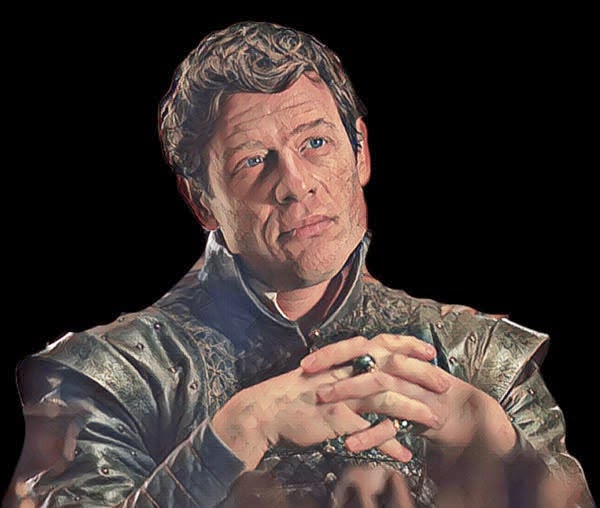
Gwayne Was Never Supposed to Be There
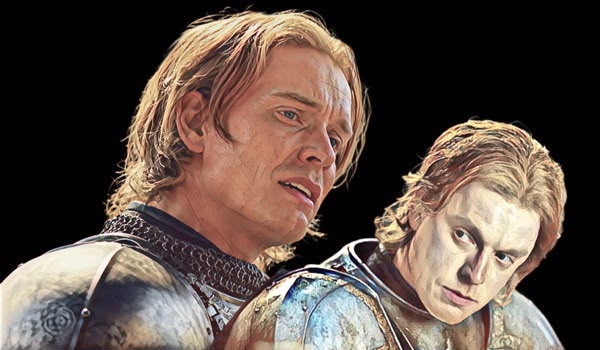
Gwayne Hightower is one of the episode’s greatest uncertainties.
In the book, he should already have died defending King’s Landing during Rhaenyra’s capture of the capital. The series removed him from that event, preserved his life, and brought him to Tumbleton, where he has acquired a far more complex role, helped enormously by Freddie Fox’s performance.
Gwayne is not merely another Green commander. He has become Ormund’s moral and emotional opposite. While Ormund manipulates Daeron, encourages his ambition, and tries to turn him into an alternative to Aegon and Aemond, Gwayne appears more interested in protecting his nephew from the political project being built around him.
Because he has already survived the moment of his death in the book, it is difficult to imagine Gwayne passing through Tumbleton without consequences. His presence seems to point towards a decisive role in the episode, most likely connected to protecting Daeron.
Should he die, his loss may prove even more painful for the young prince than Ormund’s. Daeron would be freed from the man manipulating him while simultaneously losing the man who tried to preserve his humanity.
Gwayne may die protecting Daeron from the very victory Ormund designed for him.
What Will Happen to Corlys?
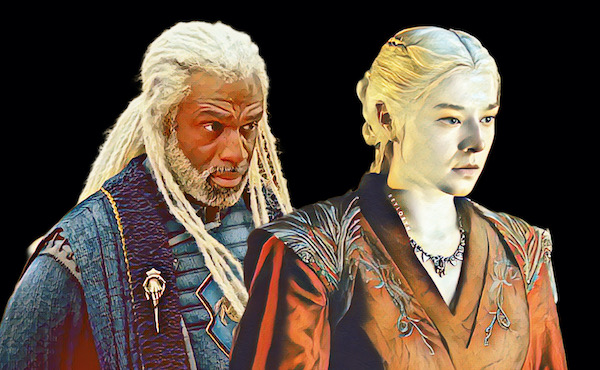
Corlys Velaryon’s presence at Tumbleton represents an even more radical change.
In Fire & Blood, Corlys remains Rhaenyra’s Hand, although his advice is increasingly ignored by a suspicious and paranoid queen. Their final break comes after Hugh and Ulf’s betrayal, when Rhaenyra begins to suspect Addam as well and orders his arrest. Corlys warns his son, helps him escape, and is imprisoned as a result.
The series has brought forward and altered almost all of this. Corlys and Rhaenyra never had an especially strong relationship, and their rupture happened much earlier. He left Addam on the council in his place, departed to fight the pirates still threatening King’s Landing, was captured by Ormund, refused to support the Greens, and lost a finger.
Now he is a prisoner at Tumbleton, at the centre of a battle in which he did not participate in the book.
Corlys still has important functions during the final phase of the war. He later aligns himself with Aegon II, helps guarantee the survival of the younger Aegon, and is associated with the conspiracy that ends in the king’s poisoning. But the series has removed or altered so many elements of his journey that his survival can no longer be taken for granted.
He may escape during the chaos, be released, or even use the defeat of the Blacks to begin a pragmatic rapprochement with Aegon II. He may also become one of Tumbleton’s unexpected casualties, leaving Alyn and Addam to inherit parts of the story that originally belonged to him.
Because of Corlys’s political importance, his death still seems less likely than Gwayne’s. But his presence in the town must produce a consequence.
Daeron May Win, but He Will Be Alone
In the book, Daeron survives the First Battle of Tumbleton. After Ormund’s death, he tries to bring the sack under control and demands that the soldiers stop destroying the town, but he cannot impose his authority. Strengthened by victory, Hugh and Ulf begin demanding greater rewards and refuse to march on King’s Landing until their wishes are met.
This is when Daeron realises that the two men responsible for the Green victory have also become its greatest threat.
Later, with Aegon II missing and Aemond dead, Daeron becomes the leading Green heir. When Hugh suggests that he himself should become king, Daeron throws wine in his face and quickly approves the Caltrops’ plan to eliminate the Two Betrayers. It is only during the Second Battle of Tumbleton that Daeron, Hugh, and Ulf meet their final fates, although the exact manner of the prince’s death remains uncertain.
The series should show only the first battle this season. Daeron will therefore probably survive, but he may end the episode without Ormund, perhaps without Gwayne, and completely unable to command Hugh and Ulf.
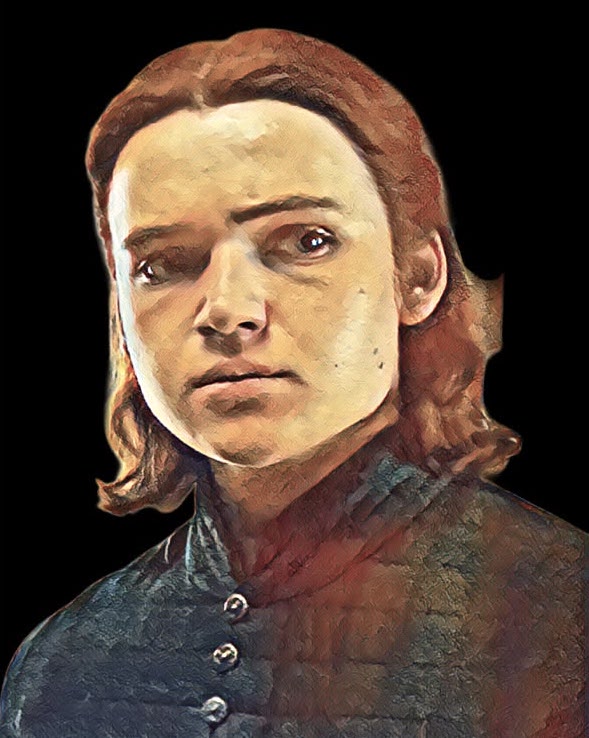
So far, Daeron has been portrayed as an isolated boy, pressured by men who want to determine who he should become. Tumbleton may turn him into the most important remaining Green prince at the exact moment it becomes obvious that he possesses very little real power.
Riding Tessarion does not mean controlling Vermithor and Silverwing. Being a prince does not mean that two men mounted on dragons will be willing to obey him.
Aegon II Can No Longer Be Considered Dead
While Tumbleton redefines the leadership of the Greens, Aegon II has also unexpectedly returned to the board.
Aegon had been hiding in the woods, badly injured, discredited, and officially presumed dead. But Sunfyre’s reappearance changes the known history once again. When Lord Mooton’s forces surrounded Aegon and Tyland Lannister, the dragon everyone believed dead emerged from the trees and burned the men sent by Rhaenyra.
Even if no one knows exactly where Aegon is, it will be difficult to keep the disappearance of an entire force and the return of a golden dragon secret for long. Rhaenyra may not discover her rival’s location, but she can no longer be certain that he is dead.
This also complicates Daeron’s position. If Aegon is alive, the young prince is not the immediate Green heir. If Aegon remains missing, the lords may attempt to use Daeron as an alternative. And if Hugh and Ulf believe they possess enough power to decide who should sit on the throne, no line of succession will matter beside Vermithor and Silverwing.
A Defeat for the Blacks Is Not a Victory for the Greens
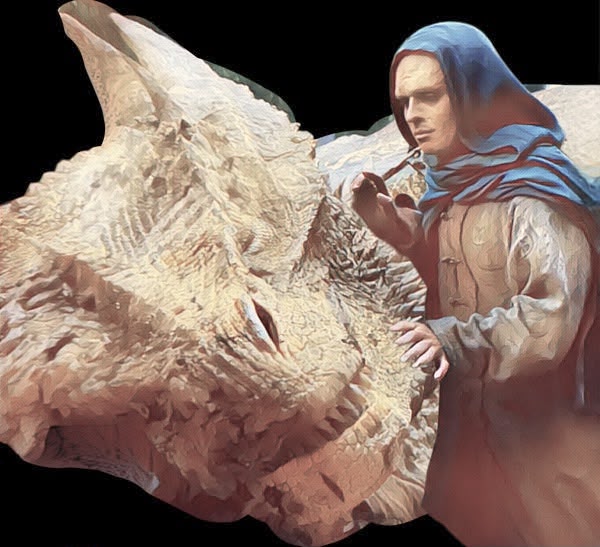
Tumbleton should end the season with an undeniable defeat for Rhaenyra. She will lose the town, part of her army, and two of the dragons meant to guarantee her superiority. Hugh and Ulf will prove that granting someone power is not the same as securing loyalty.
But the Greens will not emerge as true victors either.
Ormund may die. Gwayne is in serious danger. Corlys may escape or become an unpredictable casualty. Daeron will be surrounded by men who do not respect him. Aegon is alive but still missing. And Hugh and Ulf will have learned that possessing dragons allows them to demand lands, titles, and perhaps even a crown.
After Tumbleton, the war is no longer simply a conflict between Rhaenyra and Aegon. It becomes a struggle to control weapons that no longer recognise either side.
The people of Westeros will also have even more reason to turn against the Targaryens. In the struggle for the Iron Throne left by Viserys — supposedly to Rhaenyra, or, according to the Greens, rightfully inherited by Aegon — none of his children appears genuinely prepared to lead or particularly interested in protecting the people they intend to rule.
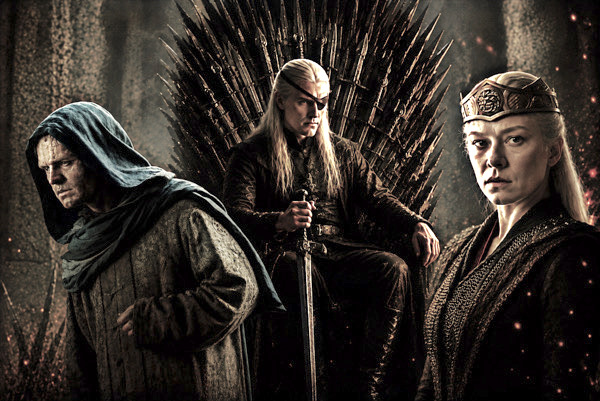
By this point, the war is less about conviction or legitimate power than it is about force, pride, and survival.
Defeats accumulate on both sides, but it is always the people living in the towns, the families, and the ordinary soldiers who burn first.
The First Battle of Tumbleton ends the season. The second is still to come. Between them remains the question that may define the final stretch of House of the Dragon: what happens when ordinary men are given dragons and discover that they no longer need to obey kings?
Descubra mais sobre
Assine para receber nossas notícias mais recentes por e-mail.


1 comentário Adicione o seu