
WARNING: This article contains major spoilers for the books Shift and Dust and, potentially, for the fourth season of Silo
We ended the third season of Silo finally understanding much of the puzzle the series had been building since its very first episode. We know who created the silos; we know there is a Silo 1 controlling the others; and, above all, we now understand that Juliette’s story was never only about Silo 18. But there is one piece of Hugh Howey’s universe that the books mention without ever fully exploring and that has suddenly become particularly important: the mysterious Silo 40.
Important because, while Apple has already confirmed that Season 4 will be the original series’ final chapter, premiering on July 9, 2027, reports have begun circulating that the Silo universe could continue through Silo 40. According to a 9to5Mac report based on information from Sigmund Judge, Apple may be developing a spin-off centered on Silo 40, with pre-production potentially beginning in 2026. Apple has not confirmed the project, so for now this remains firmly in rumor territory. One curious detail, however, is that the enormous Silo sets reportedly remain standing months after production wrapped on the fourth season.
Even more interesting is that Hugh Howey is genuinely writing about Silo 40. In 2025, he revealed plans for a new trilogy following that silo from before the events of Wool to beyond Dust, explaining that Silo 40 played a crucial role in what happened to Silos 17, 18, and 1. In an AMA held in September 2026, he once again confirmed that he is working on the story. In other words, even if Apple’s spin-off remains unconfirmed, the literary material that could inspire it exists and is being written.
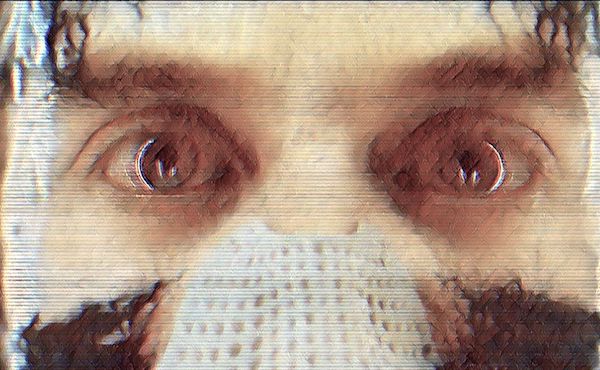
So what exactly is Silo 40?
To understand its importance, we have to go back to Shift. While Silo 18 experiences its own succession of rebellions, Silo 1 realizes that something far more dangerous has happened elsewhere in the network: Silo 40 has disappeared from its control.
The explanation reaching Silo 1 is that Silo 40’s head of IT rebelled, managed to manipulate its communications antenna, and established contact with other silos. The problem therefore stops being an isolated insurrection. By the time Donald is informed of the situation, 11 silos have already fallen outside Silo 1’s normal control. For the first time, the threat to the system is not coming from people trying to open a door or find out what lies outside. It is coming from inside the very infrastructure designed to keep them isolated.
That changes the way we see rebellion in Silo. Silo 18 was not the first community to realize something was wrong. Long before Juliette began challenging Bernard, someone inside Silo 40 had already learned enough about the system to break the isolation imposed by Silo 1 and create communication between different communities.
That is a far more dangerous kind of revolution.
One rebellious silo can be destroyed. Several silos talking to one another create the possibility that everyone will discover the lie.
The problem Silo 1 could not solve normally
We know that Silo 1 has mechanisms capable of destroying a silo that has completely fallen out of control. That is part of the horror of the project: entire populations can be sacrificed to preserve the operation.
Silo 40, however, appears to have found a way to interfere with those mechanisms as well. The situation becomes serious enough that the usual solution is no longer considered sufficient. During his second shift, Donald ultimately orders Silo 40 to be bombed.
For years, it would have been reasonable to assume that this was simply the end of the story. It was not. Hugh Howey later clarified that Silo 40 itself was indeed destroyed, but added an enormous detail that the original trilogy never properly develops: some survivors from Silo 40 made it to other silos. How? Howey never explained. And that is precisely where the story he now wants to tell begins.
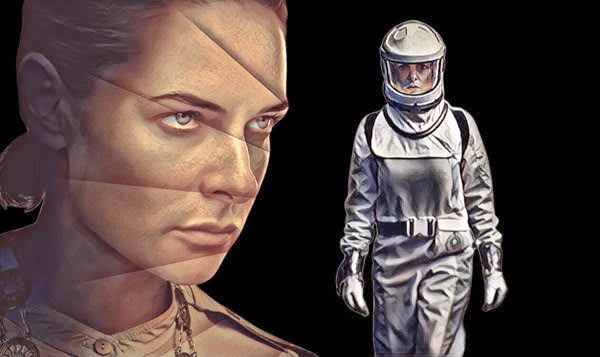
Silo 40 also helped save Silo 17
If Silo 40 were merely a rebellious community destroyed by Silo 1, it would already be interesting. But there is another detail that connects it directly to the story we know through Juliette and Solo.
In the books, there are destructive nanobots and beneficial nanobots, the so-called “good nanos.” They help explain several apparently impossible events in Wool and Dust, including the survival of people inside Silo 17.
Hugh Howey confirmed that Silo 17 received a massive dose of these beneficial nanobots sent from Silo 1 — with help from Silo 40. According to Howey, that is precisely why people such as Solo were able to survive there, and why Juliette and the inhabitants coming from Silo 18 could later cross the outside world under conditions that probably should have killed them. But that creates an extraordinary question: how did Silo 40 manage to interfere with an operation controlled by Silo 1?
The trilogy never tells us. Nor does it explain exactly who was behind the operation, how these people discovered the existence of the nanos, how they established contact with other silos, or how some survivors managed to escape before or after the bombing. In other words, Howey left an enormous gap deliberately embedded inside his own story.
Silo 40 could change the way we see the entire saga
There is something especially interesting about choosing this silo for a possible continuation. A spin-off about another community living exactly as Silo 18 did could easily risk repeating what we already know: another sheriff, another IT department, another mayor, another rebellion.
Silo 40 offers something else. It is the story of people who apparently discovered the system before our protagonists did, learned how to communicate with other silos, and managed to challenge Silo 1 technologically. It is almost a parallel resistance story unfolding while Donald/Troy, Anna, Thurman, and the others were still trying to keep Operation Fifty alive.
And Howey has already said that his new story will span a huge period of time: it begins before Wool and reaches beyond the events of Dust. That means it would not simply function as a prequel. It could also show what happened after the ending of the original trilogy.
That is exactly why Silo 40 feels like such an intelligent choice for keeping this universe alive. Juliette remains the character through whom we discovered the truth. But perhaps she was never the first person to discover it.
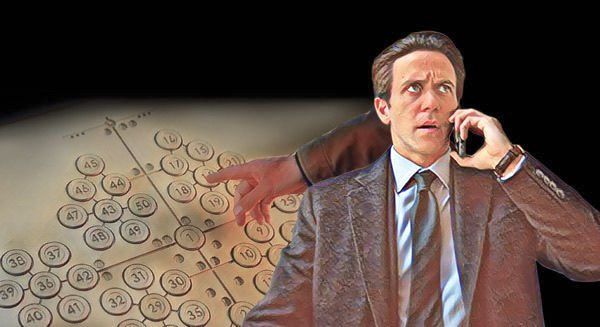
And the TV series may already be preparing for it
This is where things become especially fun for viewers following the adaptation. Season 3 has already made it clear that Graham Yost and his writers are not afraid to substantially alter the path of the books as long as they preserve the larger pillars of the story. Daniel Keene became a much more emotionally developed character than Donald originally was at this point in the narrative; Helen gained enormous importance, and their relationship became central to the origin story of the silos.
That means we cannot simply take Silo 40’s fate from the books and assume television will reproduce it exactly. But now it is worth paying attention.
In Season 4, any mention of 40, any silo that suddenly stops responding, any unexpected interference with communications or Silo 1’s systems could mean far more than it would have seemed only a few weeks ago. Because perhaps Silo is ending. But the story of the silos apparently is not.
Descubra mais sobre
Assine para receber nossas notícias mais recentes por e-mail.

