
In The Gilded Age, money can buy almost anything. Except happiness. And if Season 3 ended by proving that even the seemingly strongest marriages aren’t safe, Season 4 promises to go even further. Ahead of its November 1 premiere, executive producer Sonja Warfield issued a warning that should worry fans: every relationship will be tested. And according to her, they will either live or die. A rather dramatic way of announcing that the trouble is only beginning.
The statement came during an October 13 PaleyFest panel featuring Carrie Coon and Cynthia Nixon. But there’s an important distinction: Warfield wasn’t talking exclusively about couples. Marriages, romances, friendships, and family relationships are all at stake. And looking back at the Season 3 finale, it’s clear that practically no one is on solid ground.
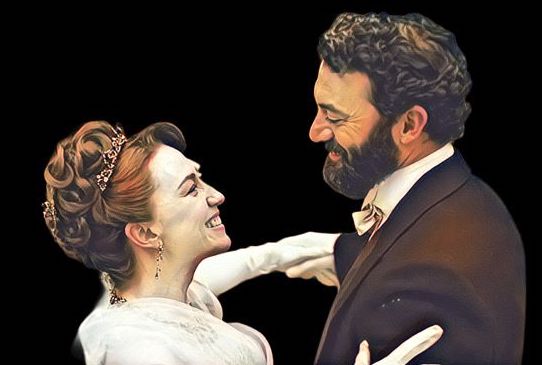
George and Bertha Russell: The Couple That Seemed Indestructible
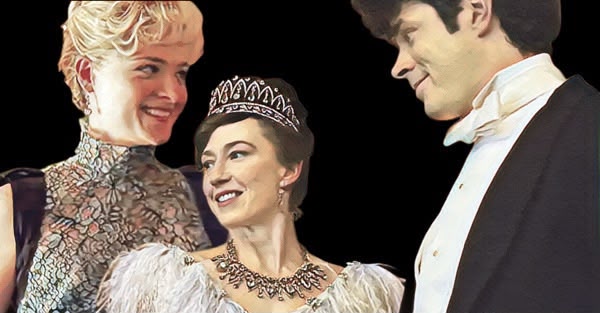
Let’s start with the biggest problem. George (Morgan Spector) and Bertha Russell (Carrie Coon) have always been, in my opinion, one of the most fascinating couples on television. Not because they agreed on everything, but because they worked as a team. He built the financial empire; she conquered the social one. And both understood each other’s ambitions perfectly.
Until Bertha crossed a line.
Gladys’s marriage to the Duke of Buckingham was an extraordinary social victory, but it came at an enormous price. George finally realized that the woman he loved so deeply was willing to sacrifice her children’s happiness to fulfill her own ambitions. After surviving an assassination attempt, he decided to reconsider not only his marriage but also the life he had built.
Their separation at the end of Season 3 was devastating precisely because love wasn’t missing. There was a difference in values that could no longer be ignored. And can Bertha, a woman accustomed to getting everything she wants, win back someone she simply cannot control? Or will George also have to acknowledge his own role in the empire of ambition they built together?
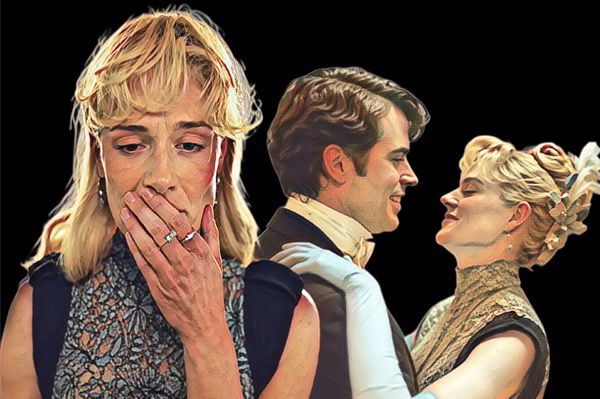
Larry and Marian: Will Love Be Enough?
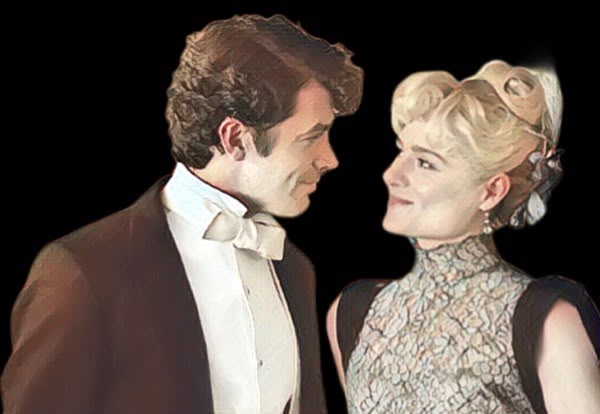
After an emotional reconciliation, Larry Russell (Harry Richardson) and Marian Brook (Louisa Jacobson) finally seemed ready to move forward. But there’s one problem: they’ve already discovered how easily insecurity and pride can turn into seemingly insurmountable obstacles.
Larry wants to be respected for his own achievements, while Marian has no intention of giving up her independence. And neither is entirely free from family expectations.
There’s an even bigger complication. Agnes van Rhijn (Christine Baranski) and Bertha Russell are about to intensify their longstanding social rivalry. How do you sustain a romance when your families remain on opposite sides? And will Larry and Marian manage to avoid repeating their parents’ mistakes?
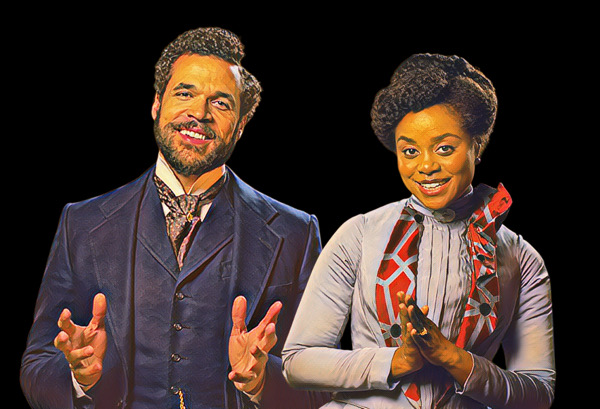
Peggy and William: Loving an Independent Woman Is Different From Accepting Her Independence
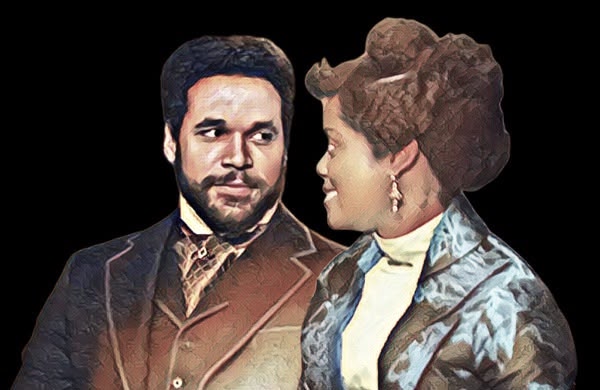
If there’s one couple I’m genuinely rooting for, it’s Peggy Scott (Denée Benton) and Dr. William Kirkland (Jordan Donica). The marriage proposal at the end of Season 3 was one of those moments when The Gilded Age fully embraces its romantic side. And it works.
But the opposition from William’s mother, played by Phylicia Rashad, remains a problem. Peggy’s past, her experience as a mother, and her family’s history were treated as obstacles by a woman who, of all people, should understand the weight of prejudice.
And there’s a revealing observation made by Mrs. Kirkland herself: she could admire a woman’s achievements, but a wife would be another matter entirely.
That distinction sums up the problem perfectly.
Sonja Warfield has revealed that Peggy will face the challenge of balancing her career and her love life. And I find that far more interesting than simply extending the conflict with her future mother-in-law. Peggy isn’t just a young woman in love. She’s intelligent, ambitious, and determined to carve out her own place as a writer and journalist.
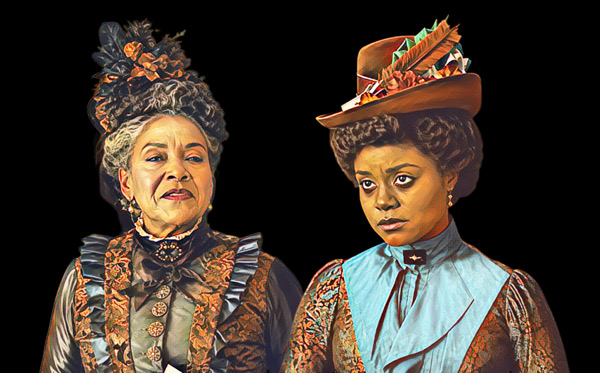
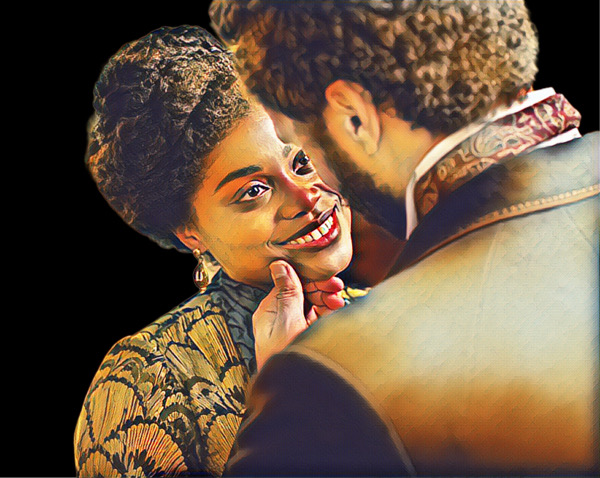
William admires those qualities. But will he continue to admire them once Peggy becomes his wife? He’s a respected physician with a career of his own and legitimate ambitions. Will he be able to accept that the woman beside him also has priorities that don’t revolve around his?
Fan discussions are already debating the possibility of Peggy choosing her profession over marriage. Some believe she may postpone the wedding; others suspect that William, however progressive in theory, may not be prepared to live with such an independent woman.
It’s an interesting possibility, particularly because we’re in 1885, when social conventions imposed strict limitations on married women. But history also offers examples of women who challenged those expectations. Nellie Bly, one of the most celebrated journalists of her time, married industrialist Robert Seaman in 1895 and later returned to journalism.
Wouldn’t it be wonderful if Peggy could have both? Love and a career? After all, female independence shouldn’t require sacrificing emotional happiness.
Perhaps William’s real test won’t be standing up to his mother, but understanding that loving Peggy means accepting the woman she is, not the one society expects her to become.
Gladys and Hector: The Unexpected Happiness
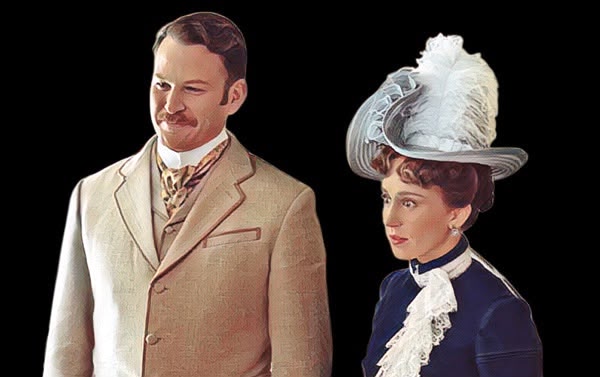
The marriage between Gladys Russell (Taissa Farmiga) and Hector, Duke of Buckingham (Ben Lamb), began as a social negotiation, not a love story.
Curiously, it was Gladys who ended Season 3 in an unexpectedly happy position. She adjusted to her new life, found ways to assert herself, and announced her pregnancy.
But will that happiness last? Gladys has finally achieved some independence away from her mother, yet she now belongs to an aristocratic family with its own rules and expectations. Will motherhood strengthen her position or create new forms of control? And will Hector, who seemed willing to respect her, remain her ally?
It’s a reversal I absolutely love: Bertha achieved exactly the marriage she wanted for her daughter but lost her own husband in the process. Meanwhile, Gladys, who seemed destined for unhappiness, found a genuine possibility of love.
Oscar and Enid: When Marriage Is an Arrangement
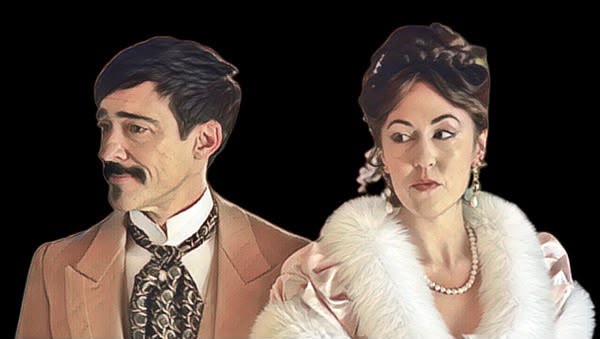
Oscar van Rhijn (Blake Ritson) and Enid Winterton (Kelley Curran) offer a fascinating possibility: a marriage of convenience between two people who fully understand the advantages of a strategic union.
There are no romantic illusions, and perhaps that’s precisely the arrangement’s strength. Oscar needs security and a social position that will allow him to protect his private life. Enid understands the rules of their world and knows how to use them.
But can a partnership built on shared interests survive when those interests no longer align? And could a marriage without romantic expectations actually prove more stable than one built on great passion?
Agnes, Ada, and Marian: Family Is About More Than Marriage
Here’s the most interesting part of Warfield’s statement. She wasn’t talking exclusively about couples. Family relationships will also be put to the test.
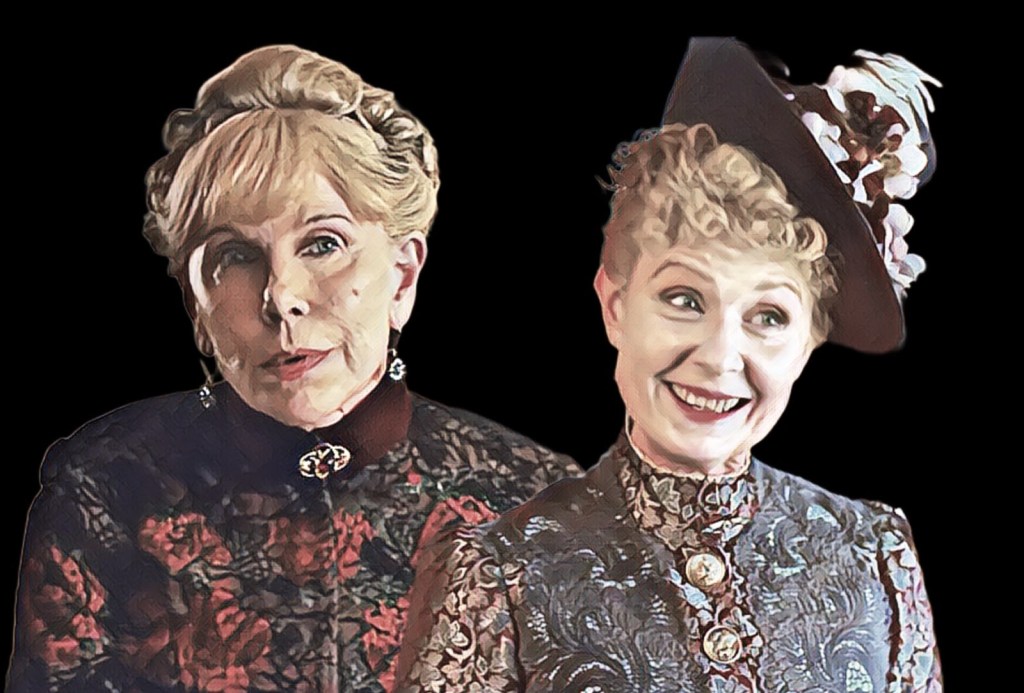
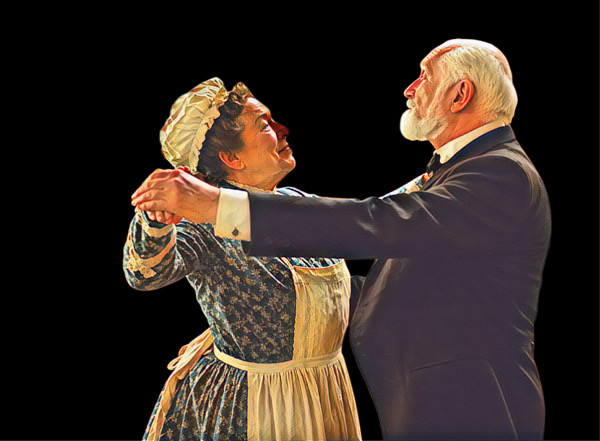
Ada (Cynthia Nixon) is no longer the submissive, insecure sister we met in Season 1. She inherited a fortune, took control of the household finances, and began trusting her own decisions. Agnes, naturally, had to adapt.
And the latest revelations suggest that the conflicts are far from over. Warfield promises a real roller-coaster ride for Agnes, while Cynthia Nixon revealed that Ada will make a decision based on her instincts that may not be quite as wise as she believes: hiring a new footman to replace Jack.
It sounds like a minor domestic detail, but we know that in Julian Fellowes’s stories, servants are rarely there just to pour the tea.
Agnes and Ada have spent their lives together, bound by affection, dependence, and hierarchy. Now their roles have reversed. Can Agnes accept a sister who no longer needs her protection? And can Ada exercise authority without reproducing the controlling behavior she so often criticized?
Then there’s Marian, who remains the link between different generations and families. Her relationship with her aunts may prove just as important to Season 4 as her romance with Larry.
But Julian Fellowes Loves a Happy Ending
There’s one detail we shouldn’t overlook. This is a series created by Julian Fellowes, who, despite his occasional fondness for tragedy, also has a soft spot for reconciliations, weddings, and romantic resolutions.
Fans know this. In discussions about Warfield’s comments, some have rightly pointed out that Fellowes tends to threaten his characters with major disasters before eventually offering them a relatively happy way out.
Perhaps the warning that every relationship will either live or die is more about promising conflict than guaranteeing permanent breakups.
And not everyone needs to end up together to have a happy ending. Some fans are even joking about the possibility of Peggy and Marian abandoning their romantic troubles to live as two single, independent, professional women in New York. A Gilded Age version of Thelma & Louise. I confess, I’d watch that.

Does Surviving Mean Staying Together?
Obviously, not every relationship needs to end in separation or tragedy to be put to the test. Sometimes surviving means accepting that the person you love is no longer the person you thought you knew. Other times, it means recognizing that staying together may demand sacrifices that are simply too great.
And perhaps that will be the real theme of Season 4. Bertha will have to choose between winning and preserving her family. George must decide whether he can forgive. Marian and Larry will have to grow up. Peggy will need to defend the independence she’s worked so hard to achieve. And Agnes will discover that protecting a family doesn’t always mean controlling its choices.
I’ve always loved The Gilded Age precisely because behind the spectacular gowns, impossibly elaborate dinners, and endless competition for prestige lies a story about power, money, ambition, and affection. And because Julian Fellowes understands that the greatest social battles are often fought within the home.
Season 4 will have eight episodes. And if we take Sonja Warfield’s promise seriously, no one is completely safe.
But perhaps the most interesting question isn’t which couples will stay together. It’s which characters will manage to preserve their own identities within those relationships.
Because loving someone and giving up who you are should never mean the same thing.
Descubra mais sobre
Assine para receber nossas notícias mais recentes por e-mail.

