
There are only a few days left until The Gilded Age returns for its fourth season on Sunday, November 1, and the situation is becoming particularly frustrating for those of us who follow the series. While some critics have already watched all eight episodes, we mere mortals must make do with trailers, interviews, photographs, and the clues slipping through the first reviews. And this time, quite a few have slipped through. Some confirm theories fans have been defending for weeks, others challenge expectations, and at least two revelations promise to completely transform the dynamics of the Russell and Van Rhijn families.
The early reviews are overwhelmingly positive, praising the season’s ambition, its cast, and the way Julian Fellowes and Sonja Warfield manage to keep so many storylines moving simultaneously. What really stands out, however, is that almost every critic describes a more dramatic fourth season, with developments that threaten not only marriages and reputations but also the lives of important characters.
I was among those who doubted some of the most popular theories, particularly one involving George Russell. Apparently, the fans may have been right, and it wouldn’t be the first time a seemingly exaggerated prediction turned out to be much closer to the truth than expected.
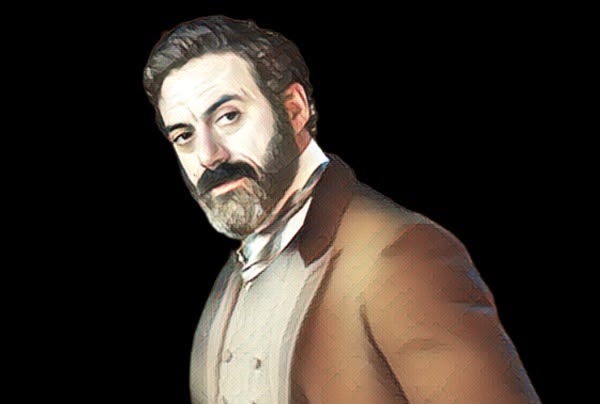
George Russell: Were the Fans Right About Laudanum?
Let’s start with the theory I was most reluctant to believe. Ever since the trailers showed George Russell (Morgan Spector) looking exhausted, irritable, and apparently out of control, many fans have speculated that he would develop an addiction to laudanum, an opium-based medication widely used in the nineteenth century. I considered it possible, but I thought the trauma of the assassination attempt, combined with his conflicts with Bertha (Carrie Coon) and his financial troubles, already provided enough material to explain his behavior.
Now, however, the reviews repeatedly point to a much deeper deterioration. The Wall Street Journal explicitly mentions how easily someone could develop a laudanum addiction in 1886, while other critics describe George as an increasingly erratic man, physically and emotionally weakened, unable to exercise the control that has always defined his personality.
None of this officially confirms that he will become dependent on the substance, but it would be quite a coincidence for laudanum to be mentioned in a review of a season in which George loses his equilibrium. If the theory proves correct, the fans saw the direction the writers were taking before I did.
And the problem won’t be limited to his marriage. George will encounter a very different kind of opponent in John D. Rockefeller (Neal Huff). The oil magnate is described as a threatening presence, a man unimpressed by Russell’s fortune, authority, or commanding voice. For the first time, George may discover that someone is more powerful than he is, precisely when he is least prepared for a confrontation.
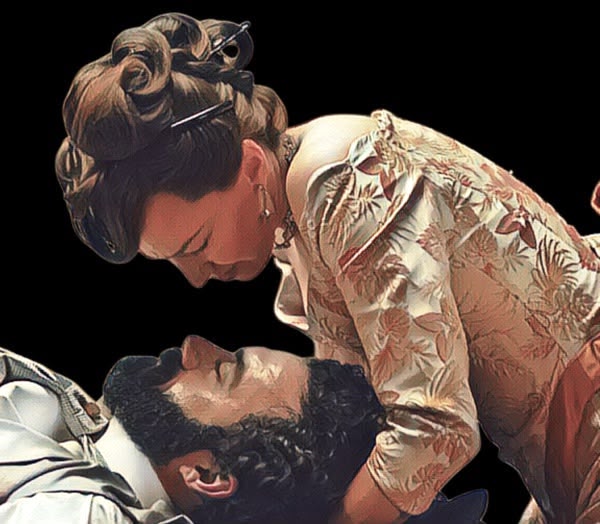
What makes this storyline even more interesting is his relationship with Bertha. The couple begins the season estranged after she virtually sacrificed Gladys’s happiness to secure an aristocratic title for the family. Yet one review reveals an intimate conversation between them near the end of the season, suggesting a reconciliation. George admits that he would be lost without Bertha, and she assures him that, as long as she is by his side, that will never happen.
Their reconciliation, then, seems to be on the horizon. The real question is what they will have to endure before reaching that moment.
Gladys Faces Death, and Bertha May Lose Much More
Another major spoiler involves Gladys (Taissa Farmiga). The young duchess is pregnant and will face an extremely difficult delivery in England, with the baby in the breech position, a complication that posed considerable risks to both mother and child at the time.
The revelation comes from The Wall Street Journal, which describes Gladys as being close to death and Bertha trying to deal with a situation over which, for once, she has absolutely no control. We are no longer talking merely about the emotional consequences of an arranged marriage, but the possibility of a family tragedy.
It’s worth remembering that the third season ended with George blaming Bertha for their daughter’s unhappiness. If Gladys really faces death, the conflict between her parents could reach an entirely new level. There is no confirmation that either she or the baby dies, but we now know that the marriage to the Duke of Buckingham will continue to exact a very high price.

Marian Finally Stops Being the Well-Behaved Young Lady
Marian Brook (Louisa Jacobson) may be the character who surprises fans the most. From the promotional videos, we already knew that she would become more daring, venture into places Agnes would consider utterly inappropriate, and begin discovering a very different New York from the one represented by Fifth Avenue drawing rooms.
The reviews confirm this transformation and add an intriguing detail: Marian will face a potentially scandalous situation involving secrets she must keep from her family. In the first two episodes alone, her behavior will be quite different from what we’ve seen throughout the previous three seasons.
Her romance with Larry Russell (Harry Richardson) continues, although one critic argues that the relationship still spends far too much time moving between renewed intimacy and hesitation. We know they reunite and that the attraction remains, but Fellowes apparently intends to complicate a reconciliation many viewers assumed was inevitable.
And this is where the speculation begins. Will Marian become romantically involved in a way that crosses the boundaries of acceptable behavior for an unmarried woman in 1886? Will the scandal be connected to her volunteer work at a settlement house on the Lower East Side? Or will she find herself protecting someone else at the expense of her own reputation?
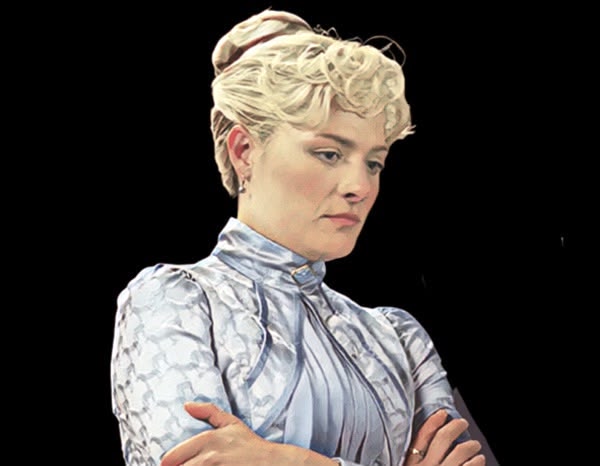
None of the reviews explains exactly what happens, although they all insist that Marian gains an entirely new dimension. For a character who has spent much of the series observing other people’s conflicts, that alone would represent a considerable change.
Larry, meanwhile, will face professional difficulties and an increasingly strained relationship with George, who seems determined to take out some of his frustrations on his son. So even if the couple finally manages to overcome their romantic obstacles, the Russell family will continue to provide new reasons to keep them apart.
Oscar and Enid: The Marriage of Convenience That Could Steal the Season
If there was one prediction that seemed increasingly certain, it was the alliance between Oscar Van Rhijn (Blake Ritson) and Enid Turner-Winterton (Kelley Curran). We now know that the marriage will indeed happen and that the two will form one of the fourth season’s most entertaining partnerships.
Oscar needs to recover his social and financial standing after losing the family fortune. Enid, who climbed the social ladder by marrying a much older millionaire, needs a surname that will finally bring her closer to New York’s old aristocracy. The arrangement is perfect, at least on paper: she provides the money, he provides the Van Rhijn name, and both get exactly what they want without having to pretend there is any romantic love involved.
Critics particularly praise the chemistry between the actors and describe the couple as responsible for some of the season’s funniest moments. But there is an additional revelation: they apparently begin plotting against the Russells.
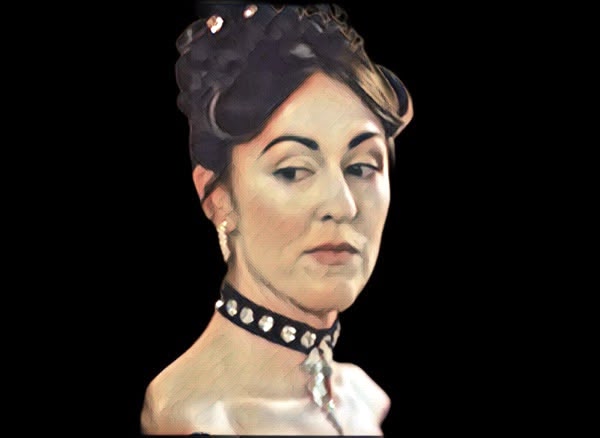
Enid has never forgiven Bertha for the humiliations of the past and remains determined to occupy a position her former employer cannot dismiss. Oscar, however, has less obvious reasons to participate in this rivalry, especially considering that Larry was one of the few people who helped him after his financial ruin.
Will Enid’s resentment eventually infect Oscar? Or are they mainly interested in establishing a new social order in which money and tradition can be used even more advantageously?
Having followed Enid’s journey as a kind of Cinderella in reverse, I’m particularly curious to discover what happens when she finally gets everything she has always wanted. After all, Enid’s problem was never simply wanting to belong to high society. It was wanting to defeat Bertha Russell.
Ada May Have the Season’s Most Surprising Romance
And who would have imagined that Ada (Cynthia Nixon), after spending so many years in Agnes’s shadow, might become the center of one of The Gilded Age‘s boldest storylines?
Dennis Haysbert plays a Black doctor who, according to one of the early reviews, attracts Ada’s romantic interest, and the attraction appears to be mutual. We still don’t know how this relationship will develop, but the mere possibility of romance between them represents a challenge to the racial and social conventions of the period.
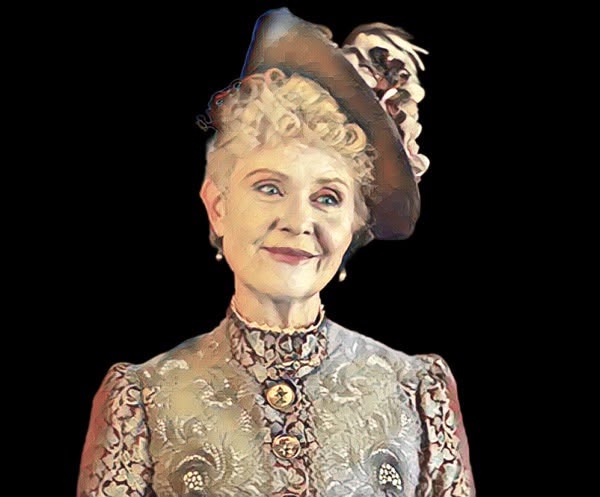
It’s a fascinating prospect, particularly because Ada, now in control of the family fortune, is gaining an independence Agnes has never previously had to acknowledge. Her older sister continues trying to command the household and everyone in it, but she is financially dependent on the very woman she spent her entire life treating as incapable of making important decisions.
The reviews reserve special praise for Cynthia Nixon and suggest that Ada will play a central role this season. Perhaps her greatest challenge won’t be managing the money, but finally deciding how she wants to live.
Agnes Hosts the President, but Bertha Won’t Stay Out of It
While the younger characters struggle with romantic complications and the Russells face a family crisis, Agnes Van Rhijn (Christine Baranski) will undertake a mission worthy of her ambitions: hosting President Grover Cleveland for dinner.
The visit promises to stir up New York society, particularly because Bertha also wants to capture the president’s attention. Their rivalry literally crosses the street separating their two houses, although the circumstances are now very different from those established in the first season.
Agnes still represents old money and tradition, even though her fortune has disappeared. Bertha possesses enough wealth to buy almost anything, yet she must still compete for certain social privileges.
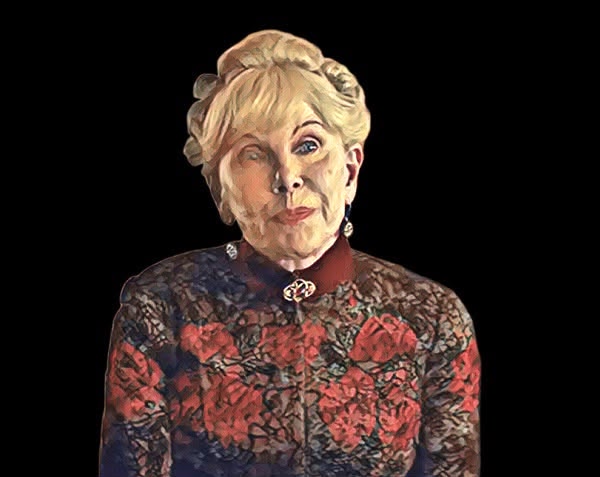
The most amusing detail revealed by the reviews is that Bertha plans to impress Cleveland with a sophisticated menu, while Agnes knows that the president prefers beer and simple food. Perhaps it’s another demonstration that money can buy almost anything except the knowledge accumulated through generations of social connections.
And to make matters even more uncomfortable, Agnes must convince Ada to finance the event. Just imagine Christine Baranski trying to maintain her authority while asking her sister for money.
Peggy Discovers That Love Can Also Limit Freedom
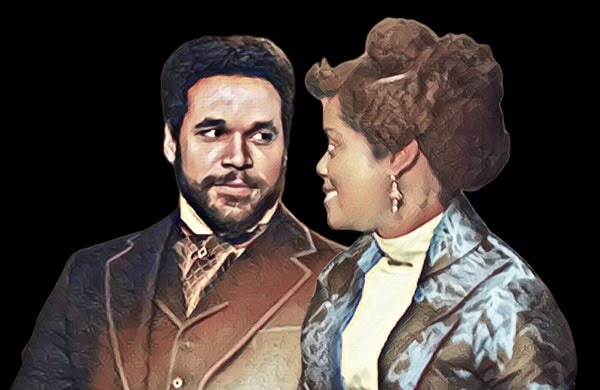
Peggy Scott (Denée Benton) will publish her first novel and begin receiving recognition as a writer, even earning an invitation from Frederick Douglass to deliver a speech during the dedication of the Statue of Liberty in 1886.
The problem is that her relationship with Dr. William Kirkland (Jordan Donica) will face a remarkably modern conflict: both have promising careers, but their professional ambitions may take them to different cities.
While Peggy prepares to promote her book, William receives an opportunity in Washington. How can they reconcile their ambitions in an era when a wife was expected to follow her husband, regardless of her own aspirations?
Interestingly, Elizabeth Kirkland (Phylicia Rashad), who previously expressed so many reservations about her future daughter-in-law, apparently begins to respect her determination. Perhaps she realizes that Peggy is not a threat to her son, but a woman who refuses to disappear into her marriage.
It’s an interesting counterpoint to Bertha’s story. She has always fought for power and recognition, but now must confront the consequences of subordinating her daughter’s happiness to her own ambitions.
Jack Has Money, but He Still Needs to Learn How to Be Rich
Jack Trotter (Ben Ahlers) will also return with a storyline that promises to explore one of the series’ central contradictions. His invention has made him wealthy, but money does not automatically translate into social acceptance.
Now his former colleagues must teach him etiquette, while he attempts to turn another invention into a commercial success. From the behind-the-scenes footage, we had already identified a mixer among his projects, and the reviews confirm that his career as an inventor will continue.
The irony is delightful: people who have spent their entire lives serving the wealthy must now teach a former servant how to behave among them.

Could Season 5 Be the Last?
There is one more observation worth considering. In his review, Wayne Broadway notes that the fourth season’s finale conveys an unexpected sense of closure, almost as though Julian Fellowes were preparing the way for an epilogue.
That doesn’t mean the series is ending, nor is there confirmation that a fifth season would be its last. But the impression of someone who has already watched all eight episodes is worth noting, especially because we are talking about a story that began with families struggling to establish their social positions and now seems interested in exploring what happens after they succeed.
George has built an empire, but he may lose his health and his marriage. Bertha has achieved the social standing she desired, but she has put her own family at risk. Agnes has preserved her prestige, even though she has lost financial control. Oscar and Enid will finally have what they lacked, but perhaps they will remain prisoners of their ambitions. Marian wants freedom, yet she will discover that female independence still carries consequences very different from those faced by men.
There is a connection between all these stories that I find particularly interesting: getting what you want does not necessarily mean finding happiness.
And perhaps that is the fourth season’s greatest change. The Gilded Age has always been a series about social climbing, rivalry, and power. Now it seems ready to examine the price of keeping everything that has been won.
Until Sunday, we have only speculation. The fans apparently got one of the most important theories about George right; the reviews all but confirm a reconciliation with Bertha, Oscar and Enid’s marriage promises to be a delight, and Ada may prove every bit as surprising as Marian. But there are still far more questions than answers.
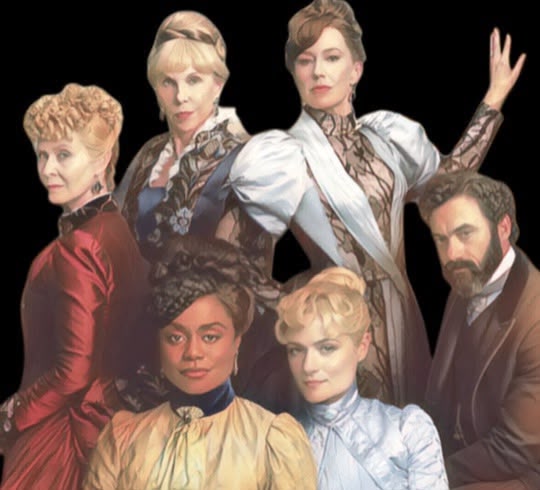
Of all these mysteries, one continues to intrigue me above all: what exactly will Marian do that is so scandalous that critics, who have already revealed even Gladys’s life-threatening childbirth, would rather keep that particular secret?
Apparently, the eight episodes still have enough surprises in store to make us change our minds several times. And the wait for Sunday, which was already difficult enough, has just become considerably worse.
Descubra mais sobre
Assine para receber nossas notícias mais recentes por e-mail.

