
I’ve mentioned before that one trend in 2020s spy fiction is the proliferation of agencies staffed by highly trained mercenaries, conveniently embedded just about everywhere. The missions’ objectives are often incoherent, and while they’re forgettable, the package is impeccable: glamour, travel, private jets, shootouts, and explosions. We get impeccably dressed women struggling with their cover identities, assassins who discover an existential weariness after a career spent killing people, and organizations so powerful that it’s hard to understand how anything remains beyond their control. The second season of Black Doves knows this entire repertoire. And yet it’s a delight.
The difference lies, above all, in Keira Knightley and Ben Whishaw. Their chemistry gives the series an identity that no conspiracy, however elaborate, could manufacture. We may lose interest in who hired whom, which secret justifies the next execution or what exactly is at stake, but we want to stay with Helen and Sam. In a genre that keeps confusing the number of twists with audience engagement, that counts for a lot.
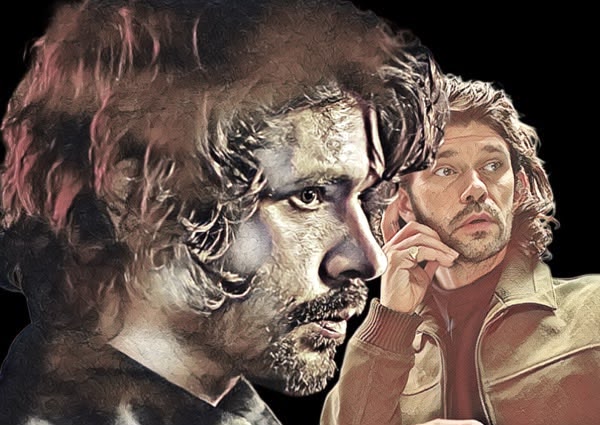

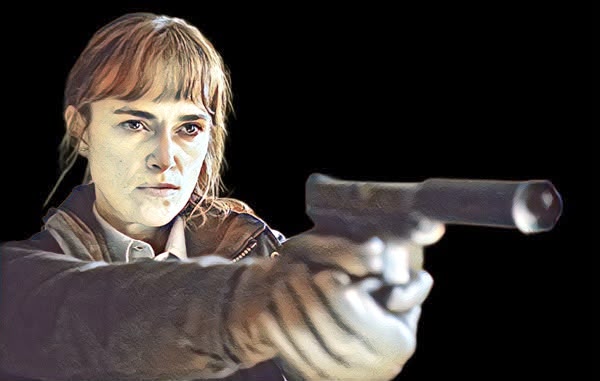
Helen enters the new season even more deeply embedded in the performance of power, now as the wife of the British prime minister. Her husband’s position extends the reach of her infiltration, but also makes it harder to separate the mission from the life she has built. It’s an interesting contradiction, because maintaining her cover requires attachments: marriage, children, routine, intimacy. After spending so long playing a character, how much of that existence can she dismiss as just a job?
Knightley is particularly good at moving between Helen’s carefully controlled public image and the violence she has to manage. The glamour is part of the fun, of course, but there’s also irritation, the desire to make her own decisions and the difficulty of accepting other people’s attempts to determine her place. Her character benefits when the series allows those tensions to emerge without immediately having to turn them into another conspiratorial secret.
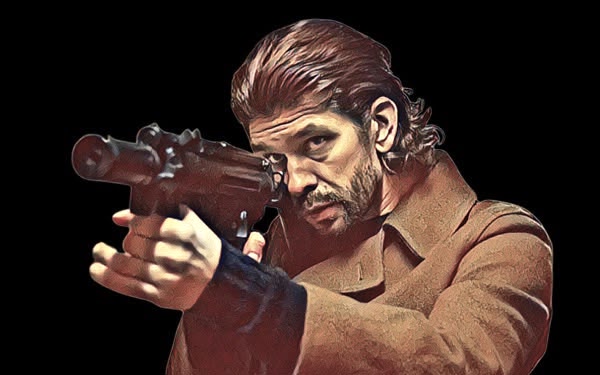
But Ben Whishaw is, for me, the season’s greatest pleasure. His dramatic talent alone would be enough to give depth to the assassin who wishes he had another life, a figure the genre has explored to exhaustion. What sets him apart is his comic talent, his ability to make discomfort, dejection and an almost imperceptible reaction as funny as a good line. He doesn’t need to announce the joke or put sadness on hold to be funny.

Sam is extremely dangerous, but Whishaw preserves a sense of awkwardness that prevents swagger from taking over the character. His professional competence coexists with an enormous difficulty in getting his own life in order. He can resolve a situation through violence and remain utterly lost when faced with the possibility of affection. That gap between what he knows how to do and the life he wishes he could manage sustains both the drama and the humor.
It’s also what makes his friendship with Helen so good. In a world where every encounter may conceal a negotiation, there’s pleasure in watching two people who share a less-than-respectable knowledge of each other. Neither has to maintain the socially acceptable version of their life with the other. Their intimacy accommodates complicity, impatience and a recognition that requires no constant explanation. We believe in that relationship before we believe in much of the operational activity surrounding it.
The humor, more apparent this season, helps give the whole thing personality. Watching people capable of atrocities worry about everyday matters produces a comedy that suits the absurdity of this world. The risk would be to turn every death into a wink at the audience, stripping it of consequence. Black Doves works best when it allows the ridiculous and the painful to coexist, something Whishaw does with remarkable ease.
None of this eliminates the wear and tear on the formula. I still think these clandestine organizations, with apparently infinite resources and objectives that require too much explanation to generate too little interest, need to find other directions. Our investment in the characters makes it even more apparent how interchangeable some of the espionage machinery has become.
But a review also needs to acknowledge the pleasure of watching. I spent the season identifying conventions I’ve grown tired of while enjoying what these actors do within them. In the end, I may forget the details of a mission, but I remember the way Sam reacts, what Helen lets slip, and how comfortable they are together. Black Doves has a familiar formula and a duo who make returning to it seem like a very good idea.
Descubra mais sobre
Assine para receber nossas notícias mais recentes por e-mail.

