
Published on 04/14/2026 and updated on 04/16/2026
Michael Jackson never really left the stage, but with each new attempt to organize his story, whether through a documentary, a reissue, or now through cinema with the film Michael, the feeling remains the same: we are always looking at fragments.
The film tries to give shape to those fragments. And, like any narrative that sets out to organize a life so vast, so contradictory, and so contested, it inevitably simplifies. Not out of dishonesty, but because Michael himself resists the very idea of synthesis.
Perhaps that is why it makes more sense to look at him not as a continuous line, but as a collection of moments that, when examined closely, reveal more than any closed biography ever could.

Michael Jackson on screen: what the film tries to organize
The biopic emerges with the ambition of bringing unity to a trajectory that has always escaped any linear narrative. There is an almost inevitable expectation that the film will be able to balance talent, obsession, genius, and the more uncomfortable zones of the artist’s life.
But that promise is already under tension. The more the film tries to organize, the more evident it becomes how certain choices are inevitably left aside.
When the film Michael was delayed
When the film Michael was announced
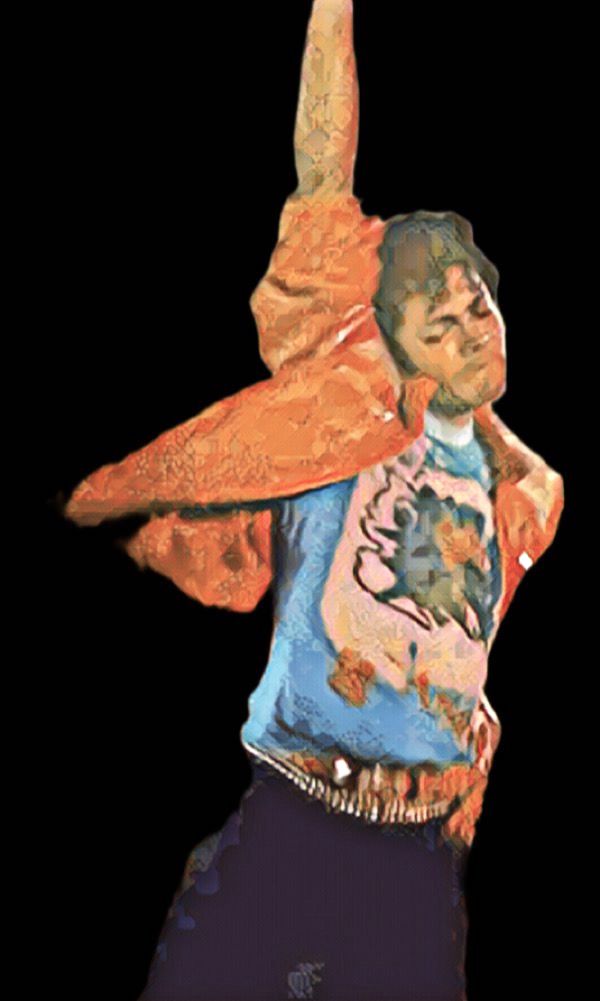
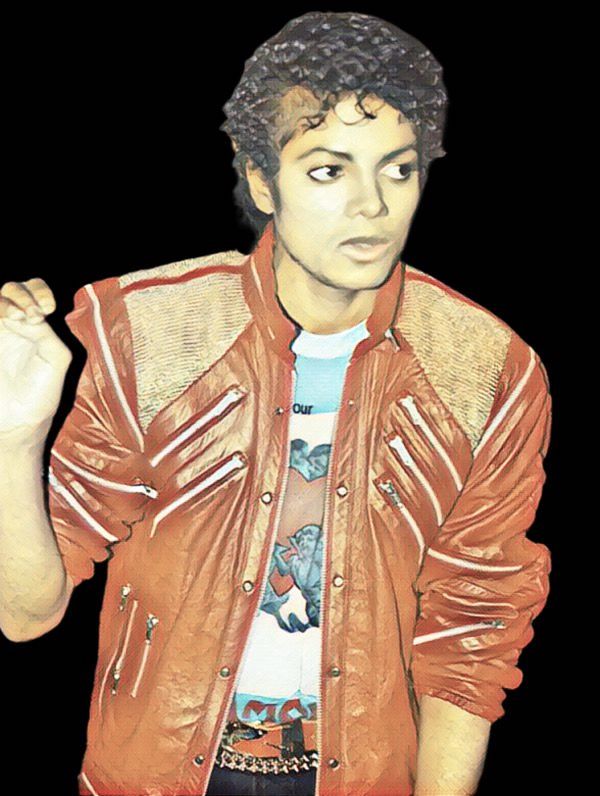
The real stories behind the iconic moments
If there is one place where Michael Jackson remains absolutely undeniable, it is in the construction of images that have become part of pop culture.
But those images were never simple.
Many inspired him, as Michael shows, and once you understand how he absorbed influences as an artist — from cinema, dance, and the visual arts — you gain a different perspective on his videos and performances.
The influences of Michael Jackson
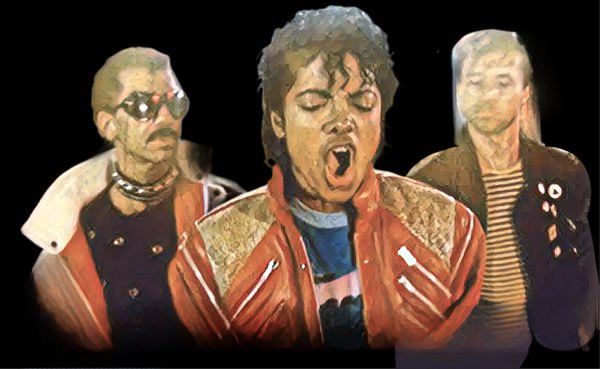
“Beat It,” for instance, has been consolidated as an almost mythical gesture of gang pacification. The real story is more complex, more ambiguous, and therefore far more interesting.
What really happened during the filming of Beat It

The same is true of “Billie Jean,” often remembered for its immediate impact, yet sustained by a narrative that blends obsession, fame, and paranoia in a way that still resonates today.
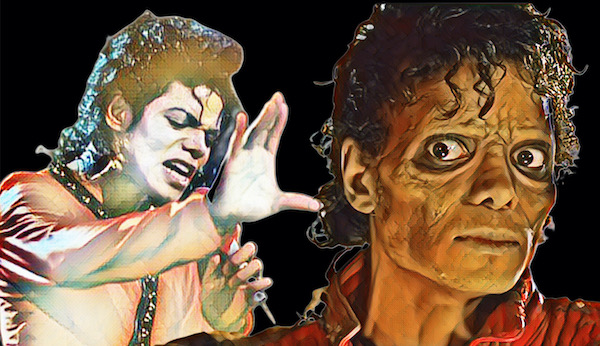
And then there is Thriller, not just as an album, but as an aesthetic, industrial, and cultural rupture—a moment when pop music ceased to be just sound and became image, event, language.
Why Thriller changed everything
The genius behind Thriller’s choreography
Michael Jackson and the cycles of rediscovery
Part of what keeps Michael Jackson present is precisely his ability to return at unexpected moments.
A song can go viral decades later, driven by new platforms, new contexts, and new audiences who did not live through that original peak, but appropriate it in their own way.
This movement is not just nostalgia. It is a reinterpretation. It is proof that his work remains open, available to new meanings.
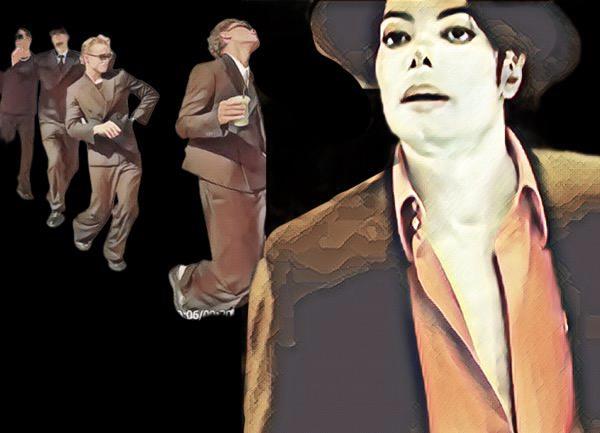
The discomfort that never disappears
But any attempt to revisit Michael Jackson inevitably runs into one unavoidable point: discomfort.
It does not disappear. It does not resolve itself. It resists easy organization.
For many, growing up listening to Michael means learning to live with that constant friction between admiration and questioning, between emotional memory and moral unease.
Michael Jackson: growing up with him, despite him
And perhaps it is precisely this tension that prevents his story from ever being definitively closed.
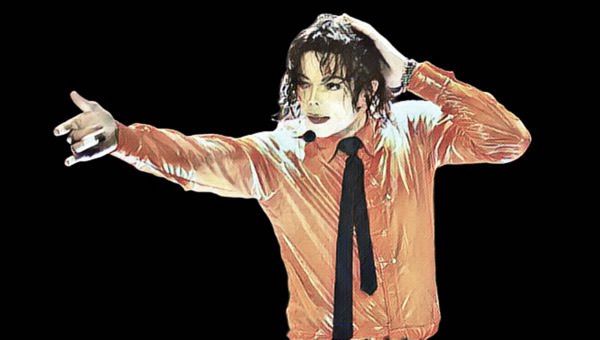
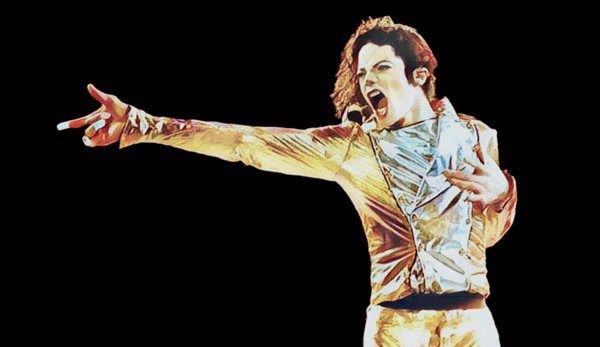
What escapes any narrative
In the end, there is no clear answer, no definitive version.
There is the icon. The innovator. The obsessive artist. The man surrounded by controversy. And there is also that which has never been fully translated into words, yet remains evident in the music, in the gestures, in the way his presence still reshapes the space around it.
Perhaps that is why every new film, every new analysis, and every revisit always feels incomplete.
Not because they fail, but because, in the case of Michael Jackson, any attempt at a conclusion is never final. It is simply another possible version.
Descubra mais sobre
Assine para receber nossas notícias mais recentes por e-mail.

