
Three thoughts crossed my mind while watching the (for now?) farewell of Hacks. First, I still find it absurd that, following the example set by The Bear—which Hacks dethroned as Outstanding Comedy Series—a show that was never really in the right category continues to compete for awards that should go to series that actually make us laugh instead of cry. Second, television today seems increasingly comfortable embracing happy endings, even when they arrive a little too quickly or feel slightly too convenient. And third, I have fallen for this before. When the series seemed to be ending three seasons ago, the use of Supertramp’s “Goodbye Stranger” felt absolutely perfect. This time, the farewell comes with “Get Happy/Happy Days Are Here Again,” the duet by Barbra Streisand and Judy Garland, a song—and a meeting of two artists—that perfectly reflects the relationship between Ava and Deborah.
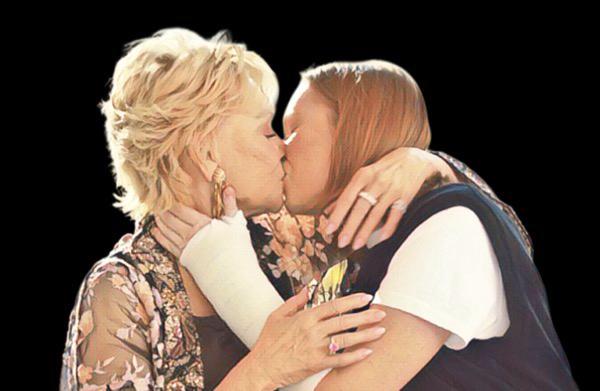
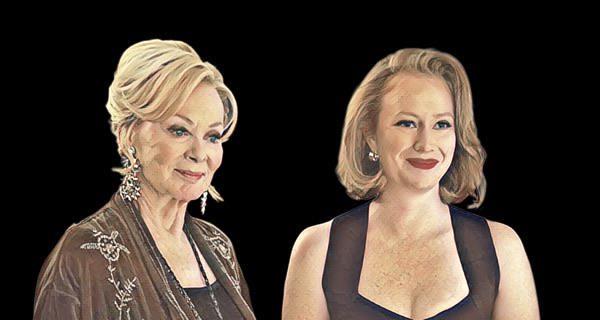
The final episode of Hacks opens with an image that says far more than it appears to. Ava is the one in charge, standing on the set of her sitcom Who’s Cooking Dinner? Calm, composed, confident. The distance between this woman and the confused, frequently self-sabotaging young writer we met at the beginning of the series is remarkable. Moments later, we find ourselves at the opening of The Diva, where Deborah publicly thanks and praises Marcus.
That sense of success, however, does not yet apply to Jimmy, who still needs to turn things around. He remains trapped in the humiliation of working in Latitude’s mailroom, but a seemingly insignificant conversation with the widow of a former client leads him toward something much bigger. Kayla’s father has not only been siphoning millions of dollars, but has also been profiting from selling the voices and likenesses of dead performers to artificial intelligence companies.
The revelation speaks directly to one of the central themes of this final season. Throughout its run, Hacks became increasingly interested in the way the entertainment industry treats creativity as something disposable. It is no accident that the victims of the scheme are dead artists. The series is talking about an industry attempting to replace people with simulations.
As Jerry Maguire taught us years ago, the dream of a more human workplace remains one of those fantasies that continues to warm our hearts. When Jimmy and Kayla confront Michael in front of the agency staff, the scene plays almost like a corporate wish-fulfillment fantasy. Yes, part of the staff walks away, but those who stay choose to invest in a smaller, more humane version of Latitude. It is an optimistic ending, perhaps even an idealistic one, but it is entirely consistent with the worldview that Hacks has always embraced.
Josefina receives a promotion, Damien remains by Deborah’s side, and even Marty finally seems comfortable occupying a less complicated place in Deborah’s life. But with an entire episode still left to go, something had to shatter that sense of closure. And, of course, it does. Without a single laugh.
During lunch with Ava, Deborah invites her on a trip through Europe and then reveals that the tumor removed earlier in the season has returned and spread. She does not seem sad. Quite the opposite. She speaks like someone who has spent far too long thinking about this and is now simply presenting a plan she has already made, while Ava’s panic grows in front of her. Deborah does not want chemotherapy. She does not want hospitals. She does not want to spend her final months under treatment. She has no plans to come back from the trip. The final destination will be a euthanasia clinic. Once again, the two women find themselves in the place they know all too well: total disagreement.
Ava tries everything. She tries reason. She tries negotiation. She appeals to emotion. She tries to convince Deborah that another future is still possible. Nothing works. Not even the fact that, at that moment, Ava cannot imagine her life without Deborah in it. Deborah remains immovable.
Ava’s frustration also extends to Jimmy, who already knew everything and seems strangely at peace with it. He disagrees with Deborah’s decision, but he respects it. And so Paris becomes their destination, carrying the shadow of what is supposed to follow.
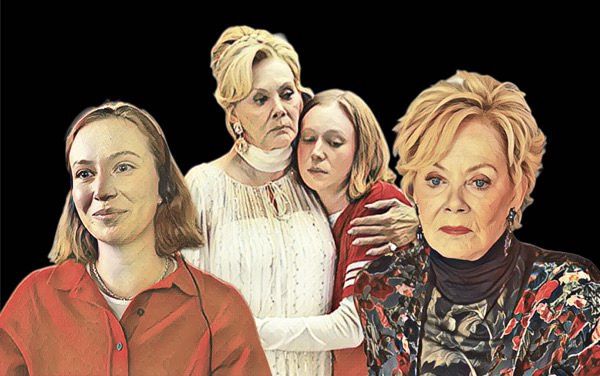
At first glance, the city feels like a farewell gift. Deborah finally takes Ava to the places she has spent years describing. They visit the Louvre, wander through the streets, browse markets, take photographs, and dance late into the night, yet sadness lingers beneath every moment. Ava is trying to preserve each memory because she believes they may be the last.
And still, the sarcasm remains. Jokes about art, aging, death, and even cancer weave their way through nearly every scene. Deborah seems so light, so genuinely happy, that Ava makes one final attempt to change her mind. It goes nowhere.
For Deborah, it matters deeply that her memory not be consumed by illness. Her decision does not come entirely from courage. It comes from the fear of pain before death, from the possibility of losing her independence, and from the idea of being remembered only through decline. Exhausted, Ava finally does what Jimmy did before her. She does not agree. But she accepts. And she commits herself to staying beside her friend through the final hours.
Before boarding the train, they continue making jokes about cancer. Then Deborah stops. Some of the jokes are so good that it becomes difficult to imagine never telling them. There is material here. There is a new joke. There is a sharper observation. And for someone who has spent her entire life turning her own existence into comedy, that realization may be more powerful than fear itself.
Ava is confused, relieved, and almost immediately slips back into the role she has occupied for five seasons: helping Deborah make the joke better. There is no argument. No resentment. No negotiation. There is only a rhythm that the two have built together over the years. Deborah admits she may not have another thirty years ahead of her, but if she still has an hour, then she still has something worth doing.
Back in Las Vegas, the two women walk through the city laughing. Deborah begins treatment. Ava stays by her side. And together they return to the thing they have always done better than anyone else: talking about jokes.
It is an ending that leaves the door open. After five seasons spent exploring fame, failure, aging, misogyny, television, and legacy, Hacks ends exactly where it began: with two women sitting side by side, trying to figure out how to turn life into a better story.
The episode should give both Jean Smart and Hannah Einbinder another strong Emmy campaign in 2026. And even I, who have complained about this series more times than I can count, found myself emotional once again. As Judy and Barbra sing “Happy Days Are Here Again,” it becomes surprisingly difficult to disagree with them.
Descubra mais sobre
Assine para receber nossas notícias mais recentes por e-mail.
 miscelana.com