
With every new episode of Cape Fear, it becomes harder to ignore a feeling I’ve had since the series was first announced: some stories simply do not need to be turned into eight or ten hours of television.
John D. MacDonald‘s tale of revenge — about a criminal who deserved to be imprisoned but was also convicted through the betrayal and unethical actions of his own attorney — had already made the transition from literature to the screen in two highly acclaimed adaptations. The second, directed by Martin Scorsese in 1991 and starring Robert De Niro, became a classic precisely because it understood that this was a story of concentrated intensity, paranoia, and violence. In just over two hours, it created one of the most terrifying antagonists in cinema history.
The idea of revisiting this story to cast Javier Bardem as Max Cady must have been irresistible. If there is a contemporary actor capable of rivaling the sheer menace that De Niro brought to the role, it is Bardem. Few performers working today can convey physical threat, intelligence, and unpredictability with such effortless authority.
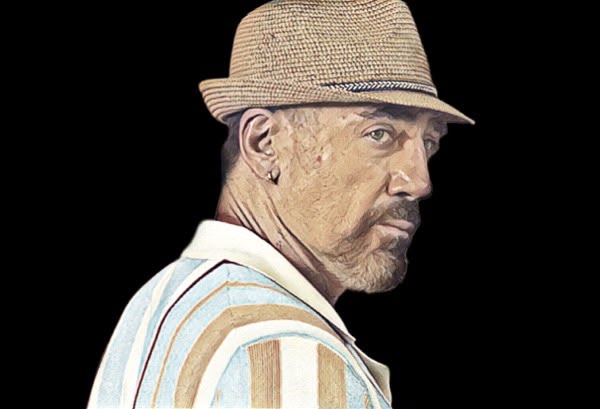
The problem is that casting Bardem does not solve the adaptation’s fundamental issue: turning a story designed for two hours into an eight- or ten-episode series requires much more than adding scenes and characters. It requires finding a new story to tell. And Cape Fear clearly hasn’t found one.
By the sixth episode, we’re more frustrated with the protagonists than with Max Cady himself. Patrick Wilson and Amy Adams, both appearing uncomfortable in their roles, continue to hide a secret that Max himself seemingly already knows: that they were involved in the conspiracy that led to his conviction. Because they continue to lie, evade, and behave in inexplicably ambiguous ways, the series fails to convince us of its apparent suggestion that Max might genuinely have good intentions when approaching the family.
In its effort to expand the narrative, the adaptation keeps making increasingly questionable choices. Juliette Lewis appears in a role that remains largely unexplained, portraying a woman from Max’s past who continues to haunt him. The series also invents a young daughter for Max, apparently as a way of sidestepping the deeply disturbing sexual obsession he developed toward the Bowdens’ daughter in previous versions. At the same time, it transfers to this new character some of the violent and disturbing acts traditionally associated with Max himself.
The result is paradoxical: in trying to make the story more contemporary and psychologically sophisticated, Cape Fear ends up weakening the very elements that made its premise so powerful. Worse still, the Bowdens do not become more human or more complex. They simply become deeply irritating.
Only in the final moments of episode six does the couple finally appear to return to the same side of the story, the side opposed to Max Cady. But by then, it may already be too late. With only four episodes remaining, it’s difficult to believe the series can satisfactorily resolve a narrative that has spent more than half of its running time going in circles. And if it somehow does, the conclusion will be even more frustrating: that this entire story could, once again, have been told in two hours.


Not even Elmer Bernstein‘s extraordinary score escapes unscathed. Reused so frequently, it ends up reinforcing a sense of excessive melodrama, as if the series constantly needs to remind viewers of the great film it is attempting to emulate.
Cape Fear had every ingredient to become one of television’s great dramas of the year: a masterpiece as source material, Javier Bardem at the height of his powers, and virtually unlimited resources. So far, however, the result feels like an expensive demonstration that not every classic needs to become a television series, a remarkable misfire, and an even more remarkable waste of talent and money.
Descubra mais sobre
Assine para receber nossas notícias mais recentes por e-mail.

